

























In Stock
In Stock
Cole 2 Seat Garden Bistro Set
Oak & Olive Green
£295
Get Inspired
5 min read


Small Gardens, Balconies + Large Outdoor Spaces. Here's How to Make the most of Yours.
From postage-stamp balconies to acres of untapped potential, our outdoor spaces deserve to be treated like any room in the home. Not an afterthought, but a step into nature and calm. From tiny yet terrific to large and genuinely hard-working, here’s how to make every square foot count.

Many of us are looking for small garden ideas that pop. A courtyard, terrace, or balcony - these spots have just enough room for a glass of something cold and a good book. In fact, small gardens and outdoor spaces have bags of potential. Every corner, patio slab, and plant pot can be considered a characterful choice. Here’s how to make your space inspired.
Shop All Garden Furniture
Oak & Olive Green
Moss Green Stripe & Rattan
Walnut & Olive Green
Natural & Charcoal Rattan
Walnut & Natural
Oak & Olive Green


First things first: step back. Take a birds-eye-view of your space and divide it into mini zones. A relaxation spot for slow mornings and afternoon reading. A dining spot for alfresco evenings. A dedicated area for planters, pots, and gardening ambition. Having dedicated areas in small gardens and balconies makes them feel bigger, more intentional and truly multi-functional - because they are.
Outdoor dining can still happen in the tightest of spaces! The trick is to choose furniture that earns its keep. Folding and stackable garden furniture frees up floor space and can be stored indoors over winter, which extends its lifespan. Bistro sets are ideal: lightweight, effortlessly stylish, and available in weather-resistant materials like protected aluminium and rope that can handle whatever the British summer throws at them.
Activity Your Senses ‑ Climbing vines such as clematis or jasmine soften harsh fence lines + deliver evening fragrance from dusk onwards.


Floor space is precious. So stop looking down and start thinking vertically. Walls, fences, and trellising aren’t just a necessity. They’re an opportunity. Used well and they transform a compact outdoor space into a peaceful haven.
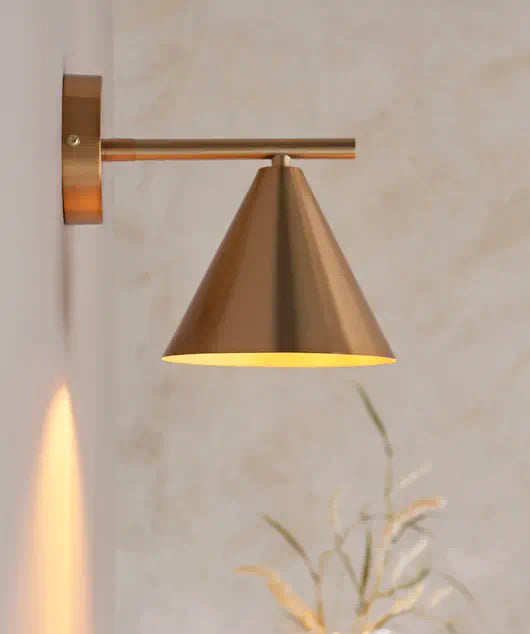
With trees and other vines, this can offer further privacy and dappled shade, ideal for balconies and small gardens in busy areas. Climbing plants and wall-mounted planters can create a living wall, and subtly-placed wall lights create an oasis in the middle of a bustling city. This is as much about your well-being, regardless of whether you’re surrounded by a bustling city or a quiet suburb.


Here’s a common mistake: sticking to one colour and one style in smaller spaces because it feels “safer”. It actually does the opposite, making everything merge into something unremarkable. Using light neutral colours in one section and dynamic bold hues in another helps with zoning (see above) and tricks the eye into perceiving more depth and dimension.
Take this further - placing an outdoor mirror positioned against a wall or fence bounces light around and creates the illusion of a continuous, larger space. Diagonal paving has a similar effect and helps with zoning. Or try modern geometric styles, warm decking, or colourful patio slabs to draw the eye outward, making your space feel wider and deeper.
One more tip worth its weight: opting for planters and pots over fixed beds means your layout stays flexible. You can switch up the layout whenever you feel. Small garden, big personality.
Blur The Boundaries ‑ Light, calming colours like off‑white or sage green reflect light + make boundaries feel less imposing.


Containers are everything. Ditch the upkeep of planted beds and invest in a collection of statement pots instead - huddle in groups of different sizes, heights, and shapes that are easily movable. This keeps your space feeling dynamic and means your plants can follow the sun around as the seasons change.
A word of warning: resist the urge to cram in as many plants as possible. Choose a couple of hero plants, keep the palette considered, and prioritise varieties that are low-maintenance and earn their keep all year round. Think in levels - a fern or flowering plant, working up through mid-height shrubs to a small statement tree. Drama creates character.
Beige & Charcoal Black
Natural & Taupe
Rust Red Stripe & Taupe
Beige & Charcoal Black
Retro Pattern Fabric & Smoked Natural Rattan
Natural Stripe & Taupe
Natural & Charcoal Rattan
Moss Green Stripe & Rattan

You have a big garden with loads of potential. Large outdoor spaces make for an exciting design project, but one that can quickly turn daunting. Rather than opting for a large piece of lawn and soil beds around the perimeter, treat your large garden space as another room of the home - one that deserves zones, focal points, personality, and proper furniture.
Discover Garden Garden Sets


This is zoning, but on a bigger scale. Combine soft and hard landscaping to create areas with purposeful distinction: a pergola-covered dining terrace, a wilder section to be taken over by greenery and biodiversity, a kitchen garden with your own fruit and veg, and a shaded retreat for the hottest days.
Think carefully about where the sun rises and sets across your garden - a shady, cool corner is an entirely different proposition at noon versus golden hour, and designing around light means every zone gets used, not just the obvious ones.
Design winding pathways punctuated by focal points. This connects the different zones and guides the eye around the space ‑ and feet ‑ around the space.


Forget the standard patio outside the back door - create destination seating. With pathways and zoning set up, building secondary seating areas further down the garden gives a reason to wander down the garden - you’ll see your space in a different light, quite literally. This could be a secluded spot around a firepit, raised decking, a gazebo draped in fairy lights, or a nook carved out of wildflowers.
An outdoor kitchen hub takes it to another level entirely. With space to go big, generous lounge-ready furniture transforms your garden into a hosting destination you’ll never want to leave. Retro-inspired modular sofas, deep armchairs, and proper sit-down dining sets that have room for everyone bring considered energy to outdoor living.


Gone are the days of manicured lawns and neat raised beds. Large gardens provide an extraordinary opportunity to do something genuinely good for the local wildlife, and it makes your garden look beautiful while doing so.
Start with plants and flowers that attract insects - once the insects have arrived, birds and mammals follow. Bee-friendly varieties such as bluebells, honeysuckle, and lavender are low-maintenance and smell amazing. Adding a pond is another fantastic way to attract wildlife such as frogs, dragonflies, and birds. And leave dark, shrubby corners for hedgehogs and other mammals to call home.
The best part? Rewilding is the lowest-maintenance approach to a large garden. Let it grow. Let it become something. Before long, your garden will be one of the most biodiverse patches in the neighbourhood - and one of the most beautiful.
Find out more about Rewilding in Britain.


The outdoor space you have - whatever its size - deserves to be designed, not just maintained. Whether you're working with a balcony or a back acre, these four principles apply everywhere:
For small gardens and balconies, embrace abundance - allowing space to grow wild all adds to its charm, and playing with heights and shapes offers dynamism. For large gardens, it’s all about zoning, creating hidden areas, and winding pathways.
Beige & Charcoal Black
Natural & Taupe
Walnut & Natural
Rust Red Stripe & Taupe
Walnut & Natural
Beige & Charcoal Black
Natural & Moss Green
Natural & Taupe
Oak & Beige
Retro Pattern Fabric & Smoked Natural Rattan
Walnut & Olive Green
Oak & Olive Green
Get Inspired


10 min read
UPDATED: 9th June 2026. Defined by contrast, rich in character, and with a renewed focus on homes that are actually lived in, interior trends in 2026 are bold yet considered.
Read Article
Get Inspired


15 min read
Analog living isn't a rejection of the modern world. It's a reassertion of the human one. Good design has always been about the people who live with it. Going analogue just reminds us to keep asking the question.
Read Article
Get Inspired


10 min read
A reading nook is your personal cosy corner, purpose-built for escaping into a story. This guide covers all manner of reading corner inspo to suit every style, space, and budget.
Read Article
Get Inspired


10 min read
3daysofdesign Copenhagen is unmissable. An annual design festival in the heart of Denmark's capital that showcases the designers, trends, and conversations shaping what comes next - and this year, the mood was impossible to ignore.
Read Article
Get Inspired


10 min read
Updated 10th June. For Cult, Clerkenwell Design Week is unmissable. Home to more creative businesses and architects per square mile than anywhere else on the planet - welcome to CDW.
Read Article

1000s of products in stock for quick delivery

Shop guilt-free with our Eco Edit range

Our London Showroom is bursting with inspiration

Hassle-free returns and exchanges
Your bag is currently empty.
Join the Cult, having an account gives you access to:
Please select your shipping location to continue to our online store.
Save your Wishlist by logging in or creating an account. Share it easily after logging in.
Select list
Get in touch with our team directly for all your trade related enquiries.


