Get Inspired

Embrace Analog Living in Your Home

How to design a home that actually lets you breathe.

15 min read

The analog living ‘trend’ isn’t just about rejecting technology ‑ it's about reclaiming the parts of home life that feel genuinely restorative.

There's a record playing. Your phone is in another room. The needle drops, and somewhere in the process, so does the weight on your shoulders. That's ‘going analogue’. And in 2026, it's one of the most compelling ideas reshaping how we think about our homes. 

Have you embraced analog living? Maybe you don’t know you have. In a world that is saturated by screens, analog living is a subtle yet intentional push back against the noise. And in our homes? Well, this has allowed us to build spaces that are grounded and calm. 

Why Analog Living ?

Why Analog Living ?

Why Analog Living ?

Why Analog Living ?

This cultural shift has been a long time coming.

Within the home, we have found that our homes now revolve around screens - from TV walls to complicated charging ports built into every surface. A quieter counter-movement against the constant digital connectivity has materialised; it’s analog living.

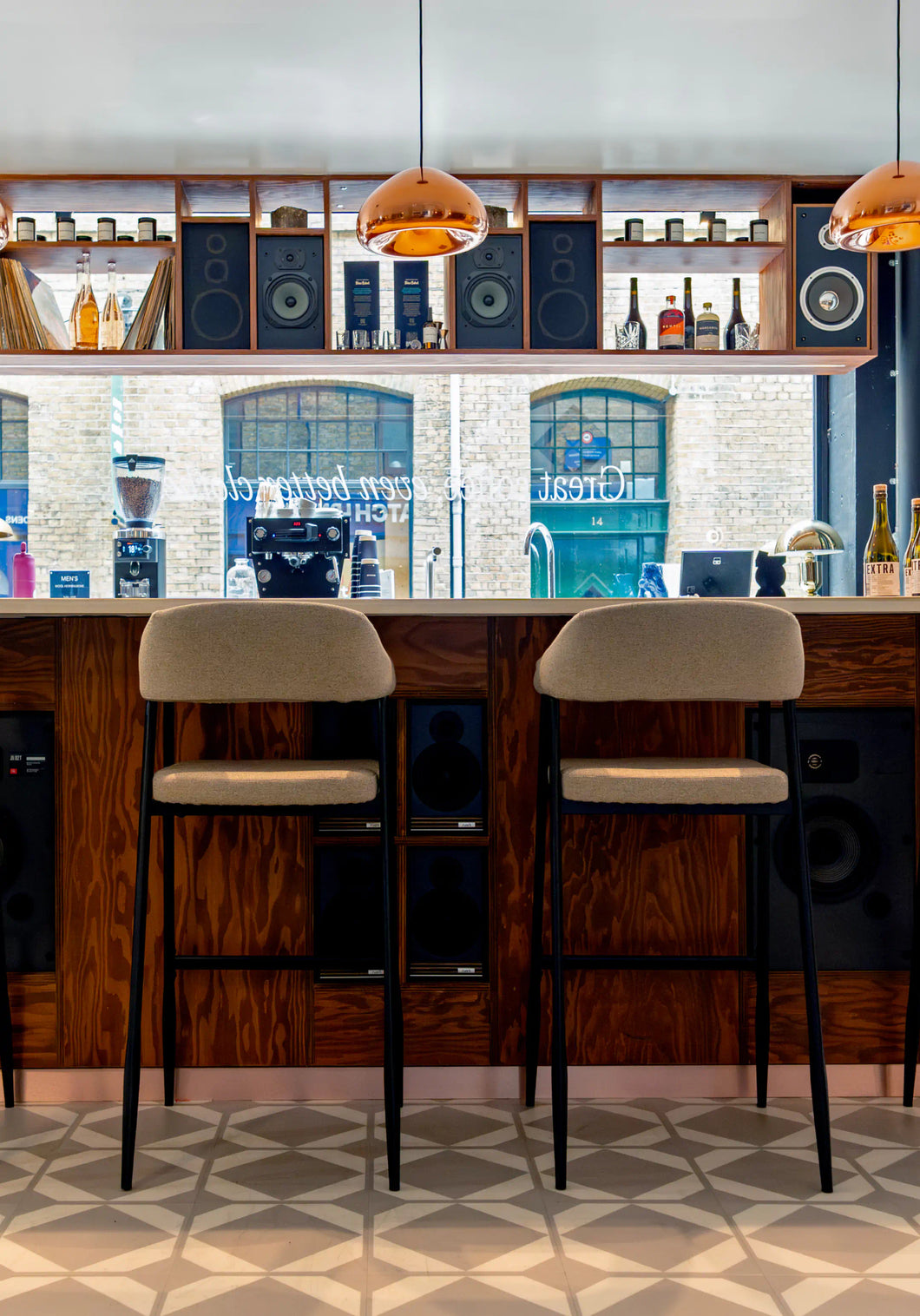
Living Analog - The Drop Photoshoot

There's a new design vocabulary - warmer, more tactile, more considered.

We’ve seen subtle nods to analog living for a few years now. We're embracing cameras and printing photographs again. We’ve been collecting vinyl. We're journaling, board gaming, cooking from actual recipe books. These aren't just nostalgic affectations - they're deliberate acts of recalibration. And the homes we live in reflect that too.

Interior designers are reporting a significant shift in client briefs: living rooms are being reimagined as genuinely sociable spaces, with sofas and armchairs arranged to face each other rather than a single television. And tech-free zones are becoming intentional design decisions rather than oversights.

What Does an Analog Interior Actually Look Like?

Embracing analog living isn’t about stepping into a dusty time capsule, or even rejecting technology. After all, it is the digital world that also connect us. It’s a movement highlighting consideration and intentional living - to help reconnect with yourself, and set some important boundaries. In our homes, it's a design sensibility - and one that is easy to embrace once you have the toolkit.  

Analog living can show up in material choices, furniture scale, spatial arrangements, and the way rooms are allowed to breathe. In this sense, it takes the principles of Scandinavian living and hygge.

All About Scandinavian Design

How to embrace Analog Living in your home

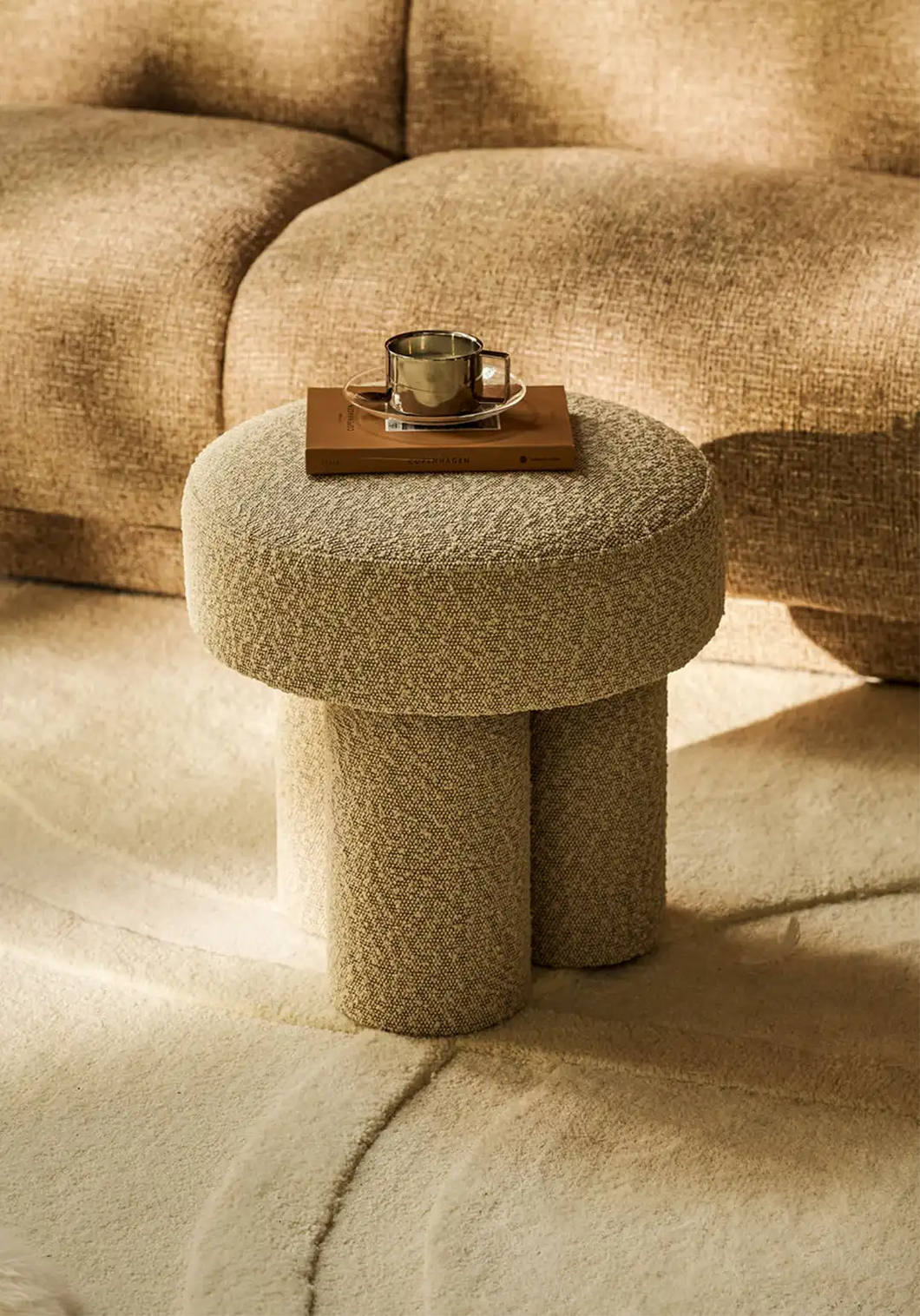
  • Natural materials that reward touch: Textures that have warmth and imperfections. Boucle and velvets, wood and its unique grain, and natural rattan give rooms a sense of contentment and realness.
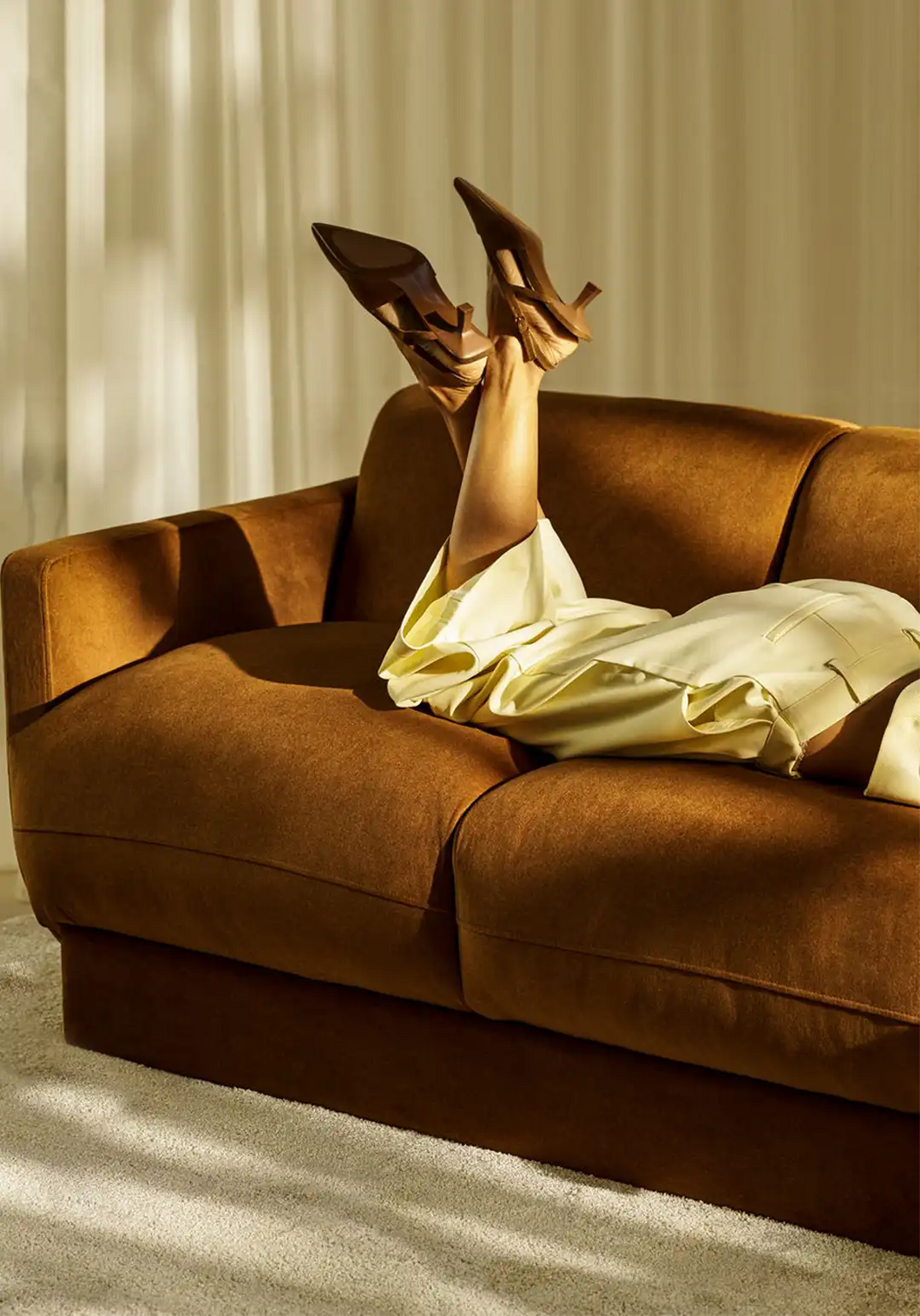
  • Furniture built for lingering: Generous sofas in tactile fabrics. Deep armchairs for rainy afternoon reading. Dining tables that invite long evenings of nattering and card games. The analog interior is about embracing simple pleasures.
  • Rooms with a single purpose: One of the more interesting expressions of analog living is the revival of the "useless room" - spaces that exist purely to be enjoyed. A room to embrace your hobbies.
  • Storage that hides the digital: Cables and chargers are the enemy of the analog aesthetic. Sideboards, display cabinets, and media units that conceal rather than celebrate technology are central to the look.
  • Ensure work-life separation: Working from home is the norm, so create a space dedicated to productivity, work and the screens that come with it.
  • Warm, earthy colour palettes: Caramel browns, deep moss greens, rust reds, warm walnut tones - colours that embrace mid-century colour palettes, and feel grown rather than manufactured.
  • Introduce tech-free spaces: The “useless room” and bedroom are ideal spaces to put in place a tech ban. Need an alarm in the morning? Opt for a traditional alarm clock over your phone, and avoiding the doomstrolling as soon as you wake up. 
  • Soft lighting is essential: Aim to create pockets of light. Opting for soft fabric and linen shades, lower wattage lightbulbs, and avoiding the big light to create a cosy and welcoming home. Simply changing lightbulbs can make a big difference.
  • Wholesome accessorising welcome: Books, board games, and even old vintage cameras make for great home decor that promotes your hobbies and gives space depth and character. Don’t overthink it. Anything that feels forced is very unanalogue. 

Analog Living By Room

Analog Living By Room

Analog Living By Room

Analog Living By Room

Conversation becomes the default. Screens become optional.

The bedroom could be easy, the living space - less so. Wherever you decide to going analogue, here's how to embrace Analog Living in every room in the home.

The Living Room

This is where analog living can make its most powerful statement. For decades, the centrepiece of a living room has been the television. So first things first - you must decentralise and dethrone. Analog living isn’t about removing screens altogether - it’s just about lessening its power within the living room. 

  • A simple rearrangement can change the whole energy of a room. Facing the sofas and armchairs towards each other rather than the screen is your first step.
  • Place a coffee table at the centre with books, board games, and a bottle or two of wine to create a natural gathering point.
  • Generous sofas such as 70s-inspired modular styles help you create the perfect setup for your living space.
  • A beautifully crafted sideboard that house electricals and cables keeps the room clear and calm.

What's visible should be intentional: books, ceramics, a record player, a lamp with a warm bulb.

Walnut‑stained woods, warm toffee velvets + textured boucle sofas are all natural anchors for this kind of space. These are materials that age beautifully ‑ another analog quality.

Becka Cutler-Garratt, Head of Creative + Brand

The Bedroom

Nothing that stimulates. Everything that soothes. This is the room where analog living is less a design statement and more a genuine act of self-care. Sleep research has spent years making the case against screens in the bedroom - this is your opportunity to put it to the test.

  • Layering textiles and materials in warm, considered hues creates a lived-in environment built for a good night’s sleep.
  • Why not consider the bedroom a device-free zone? Remove screens, including your phone, along with the tangle of cables and charging docks, leaving your bedside table free for a reading lamp and a good book. 
  • A dressing table that's genuinely beautiful rather than purely functional will make getting ready feel like a ritual rather than a monotonous task.
  • The palette here leans warm and muted: dusty pinks, warm creams, deep greens, soft ochres.

The Dining Room

We can’t escape the fact that the dining room has developed into a multifunctional room. With WFH setups the norm and the need for creative stations for the kids…and yourself, the humble dining table is less about sharing food and conversation, and more of a balancing act. Rather than settling for a room compromised by distraction, reclaim this space!

  • Start with a proper dining table - substantial, well-made, in a material worth looking at. Make this a place where everyone loves to gather at the end of a long day - where conversations happen, and connections are preserved. In walnut-stained wood, travertine, or marble, a dining table becomes the focal point.
  • A pendant light overhead disperses a pool of warm light across its surface.
  • Then pair with soft, upholstered chairs -  try mixing chairs for a comforting and eclectic vibe. Swooping dining chairs with arms for comfort, streamlined minimalist styles for ease, and even a small accent chair that turns mealtimes into your favourite time of the day.

Take the principles of analog living and mould them to suit how you live. 
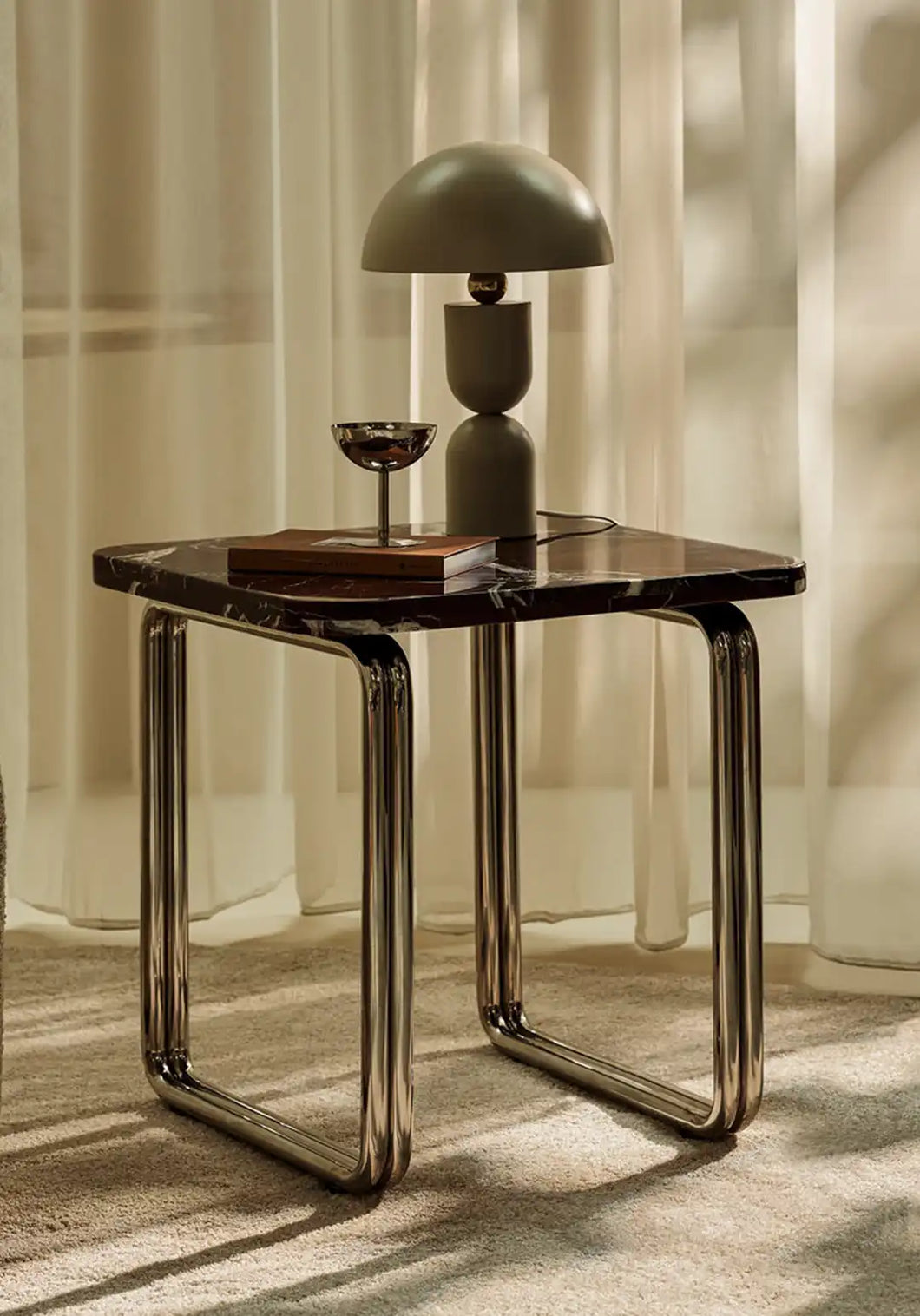
*Our DIning Room setup from Grand Designs Live 2026.

The Home Office

A room defined by digital, screens, and emails. So many emails. It's time to build a space that feels human and settled, rather than clinical and transient.

  • Start with a proper desk - large enough to give you breathing room, with drawers and alcoves to declutter easily.
  • Next - a chair that is genuinely comfortable for long periods.
  • Third - shelving that holds books, physical files, and objects of personal significance alongside the functional necessities.
  • Lastly - crucially - storage solutions that mean the desk surface can be cleared easily at the end of the day. The ability to genuinely close the door on work is one of the most analog acts imaginable.
Don’t forget to spruce up the home office with plants, warm lighting, and a rug underfoot. All these thoughtful extras transform what could be a sterile workspace into something that feels like a room worth being in.

The Reading Corner - or The "Useless" Room

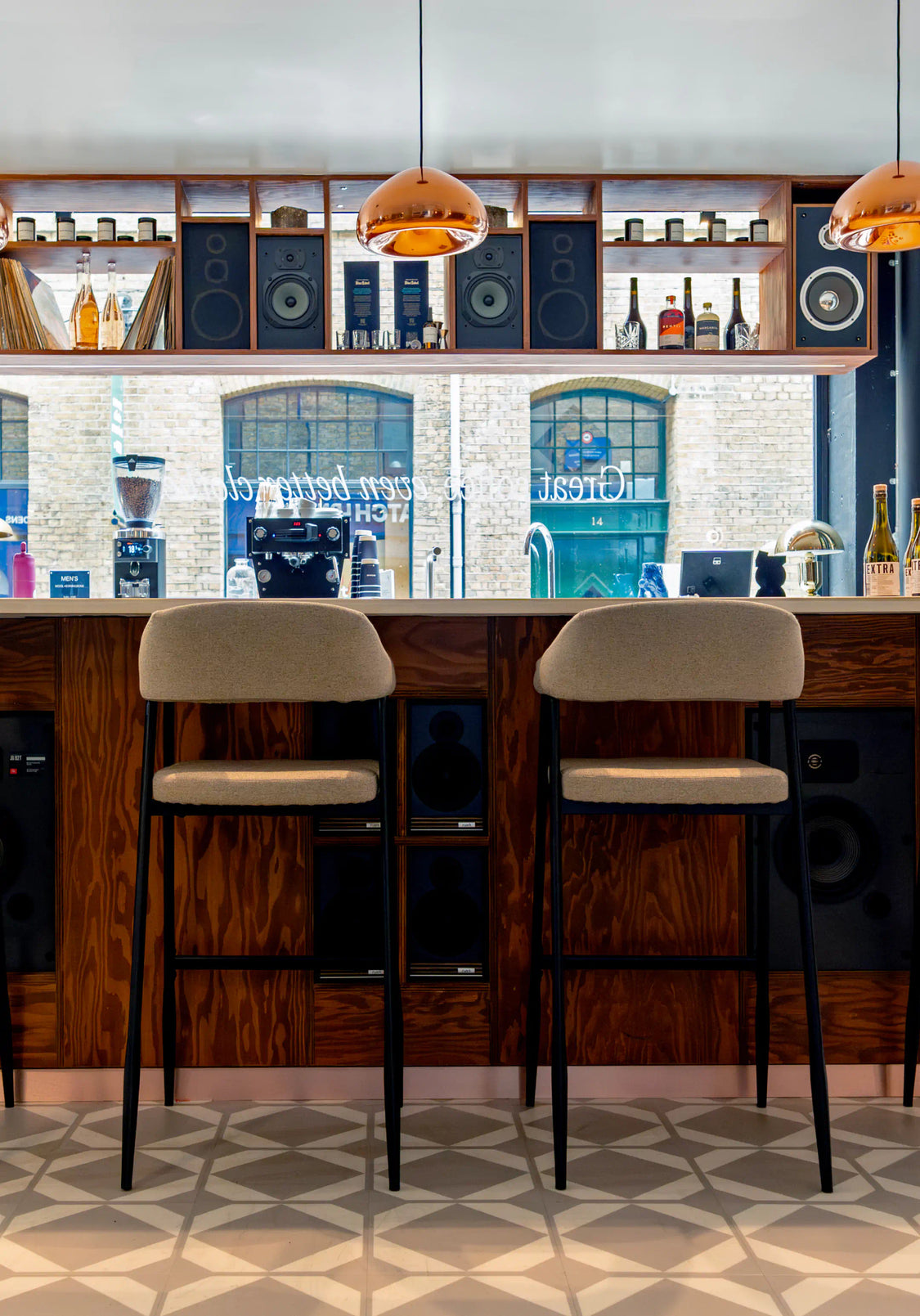
The revival of the purposeless room is one of the more quietly radical expressions of analog living. A room - or even just a corner - that exists to be enjoyed, with no agenda beyond that. A reading nook. A music room with a record player and a pair of decent speakers. 

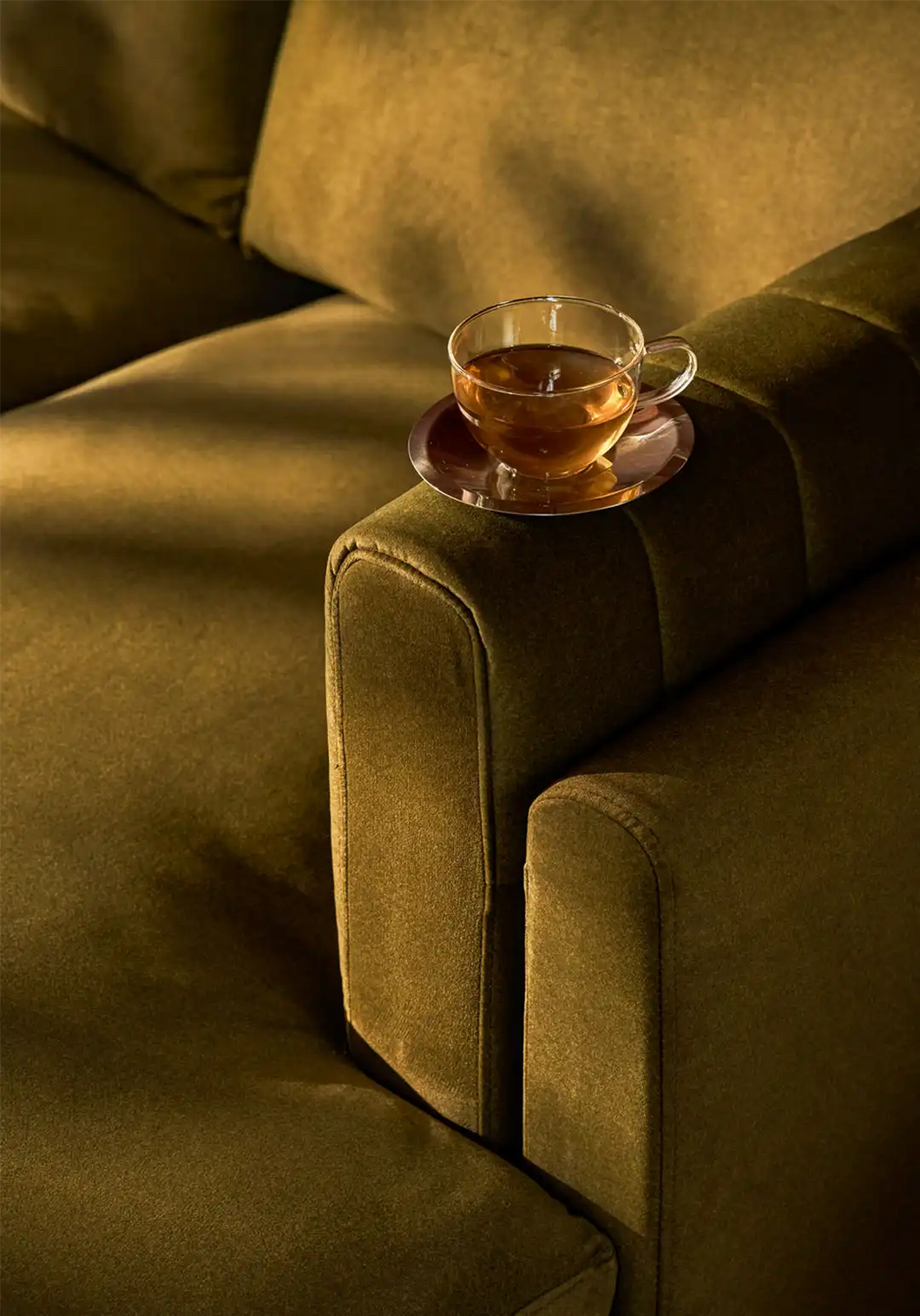
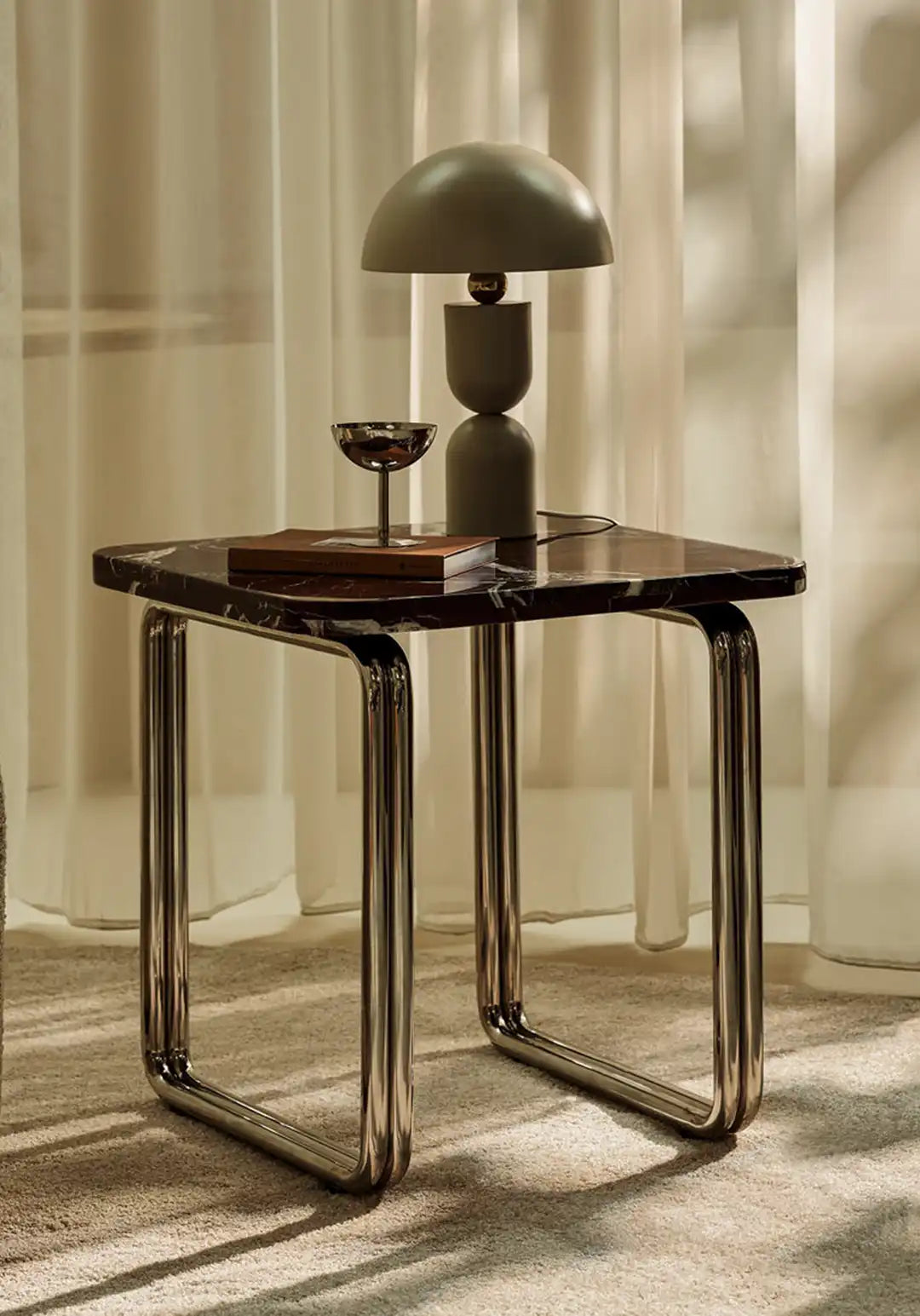
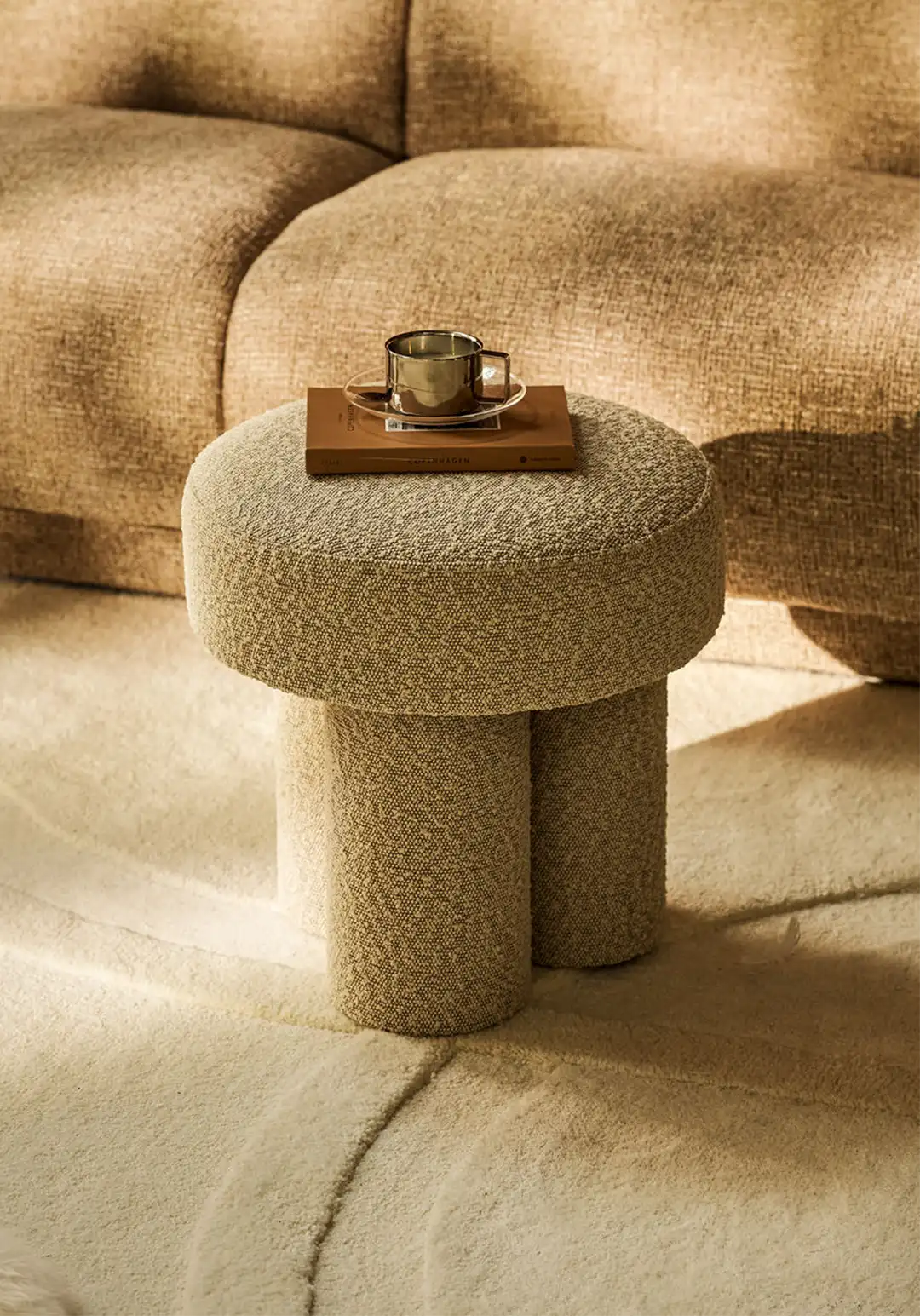
No spare room? No problem. A corner of the living room with a floor lamp, an armchair deep enough to disappear into, and a side table just big enough for a cup of tea embraces going analogue.

These spaces are not "wasted" space. They are the whole point. In a culture that has been obsessively optimising every square foot of living space for productivity and multi-functionality, a room that simply offers comfort, quiet, and pleasure is genuinely subversive - and genuinely wonderful.

The Furniture + Materials That Define Analog Living

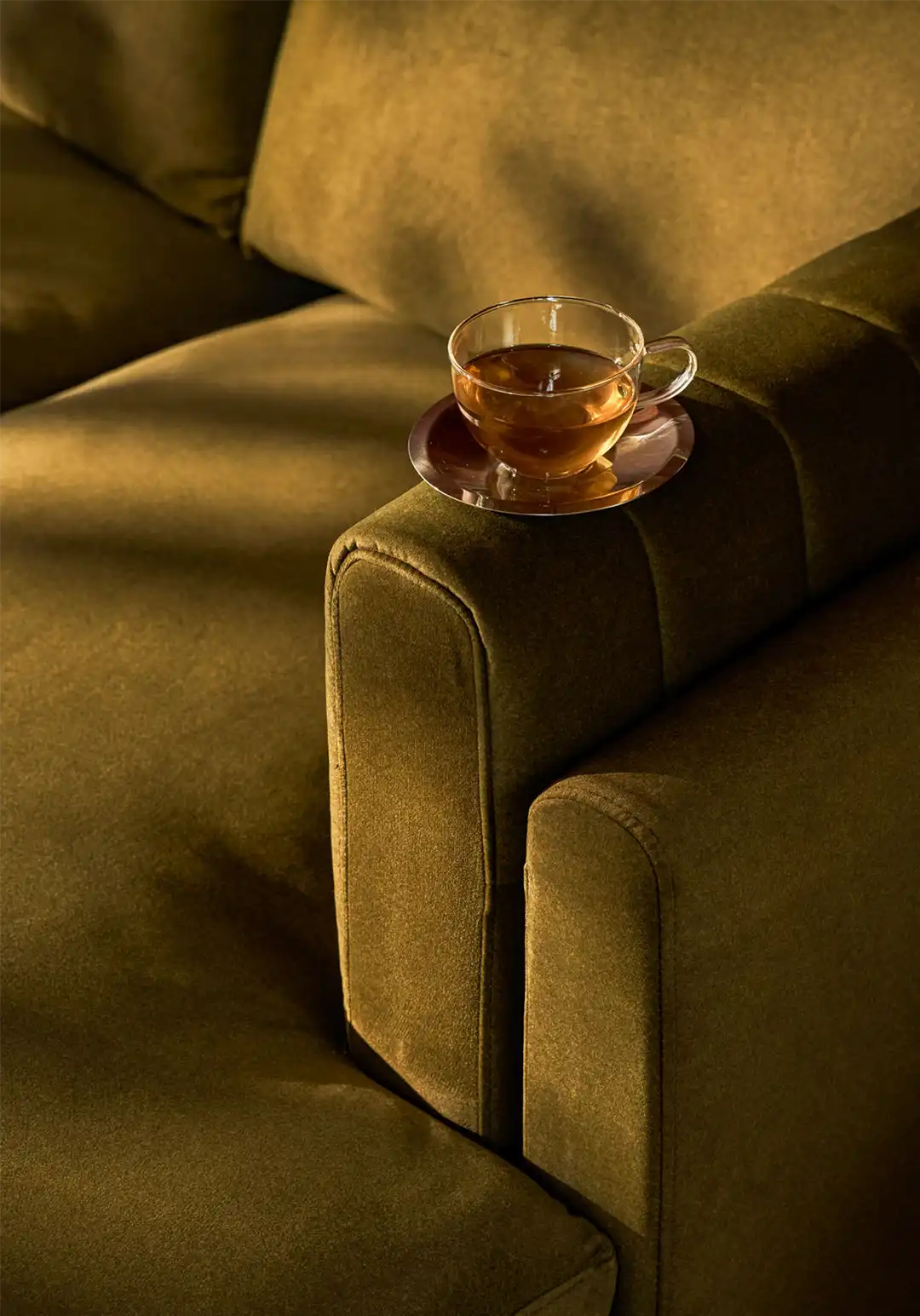
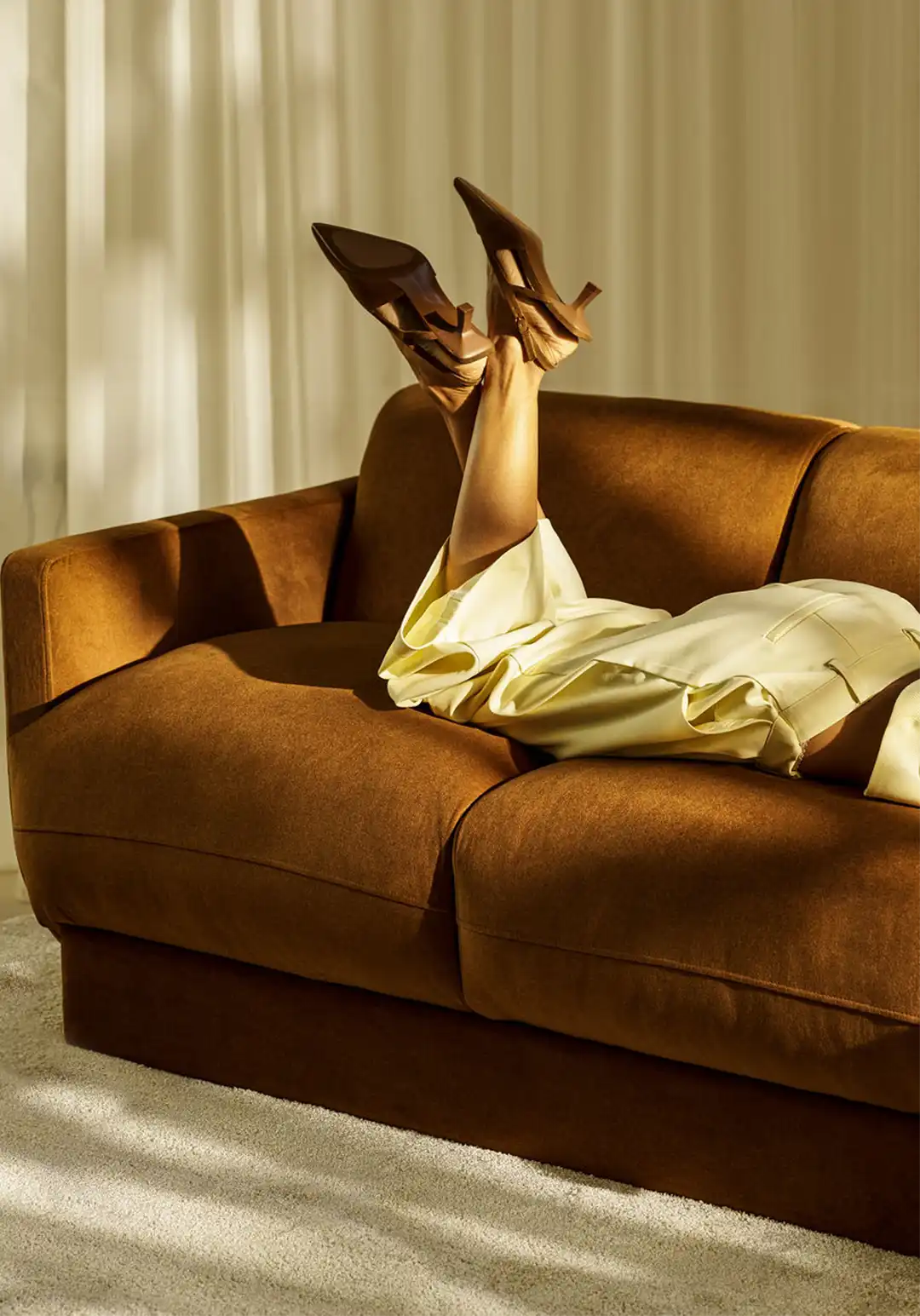
Authenticity is at the heart of analog living - this is not the time for synthetic fabrics and harsh colours. The texture of mohair-style velvet brings warmth, depth, and a sense of comfortable permanence - tactility that no digital experience can offer. It also ages beautifully over time, developing character along the way. 

Take a look at Caramel Brown

Warm Wood + Walnut Tones

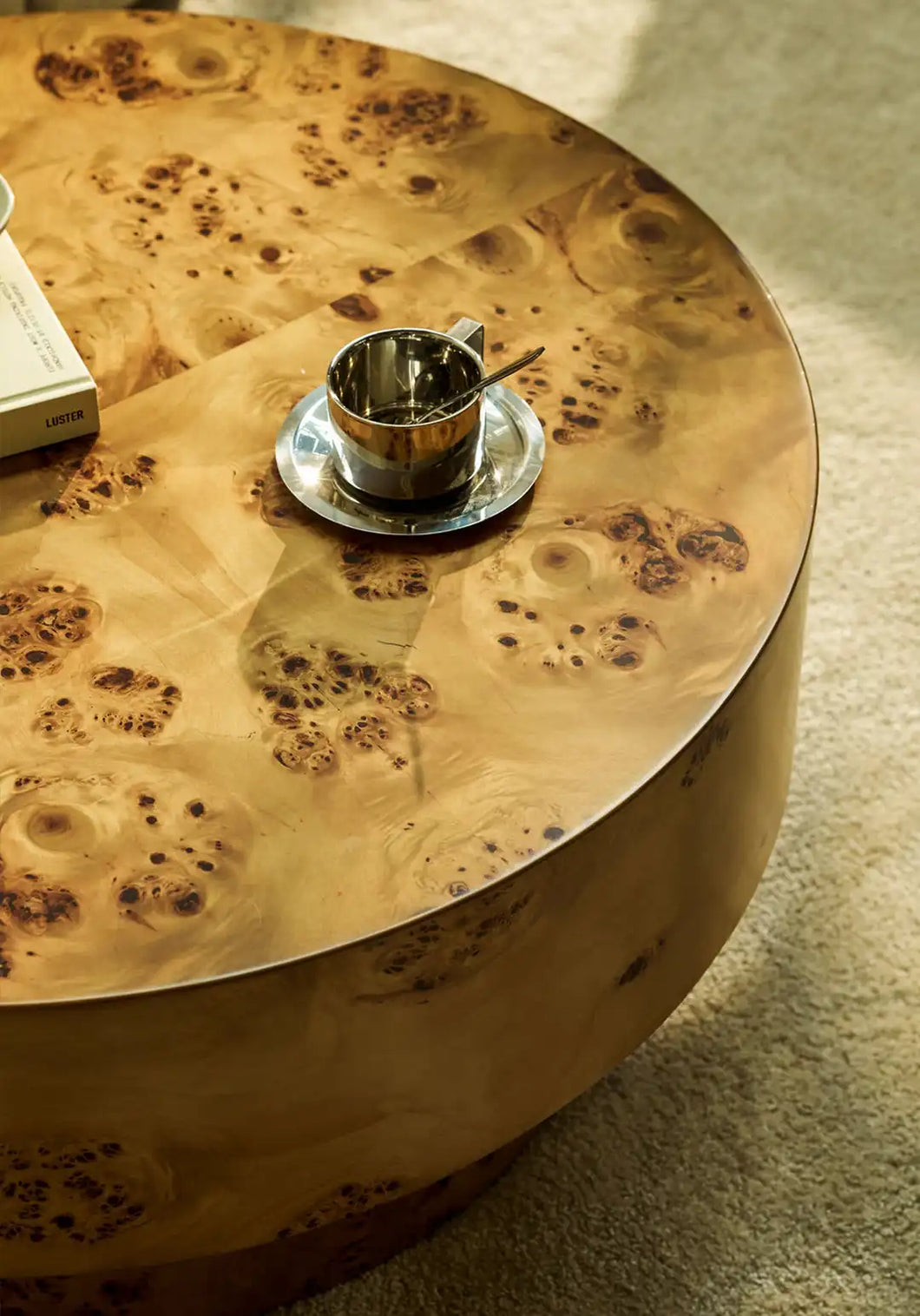
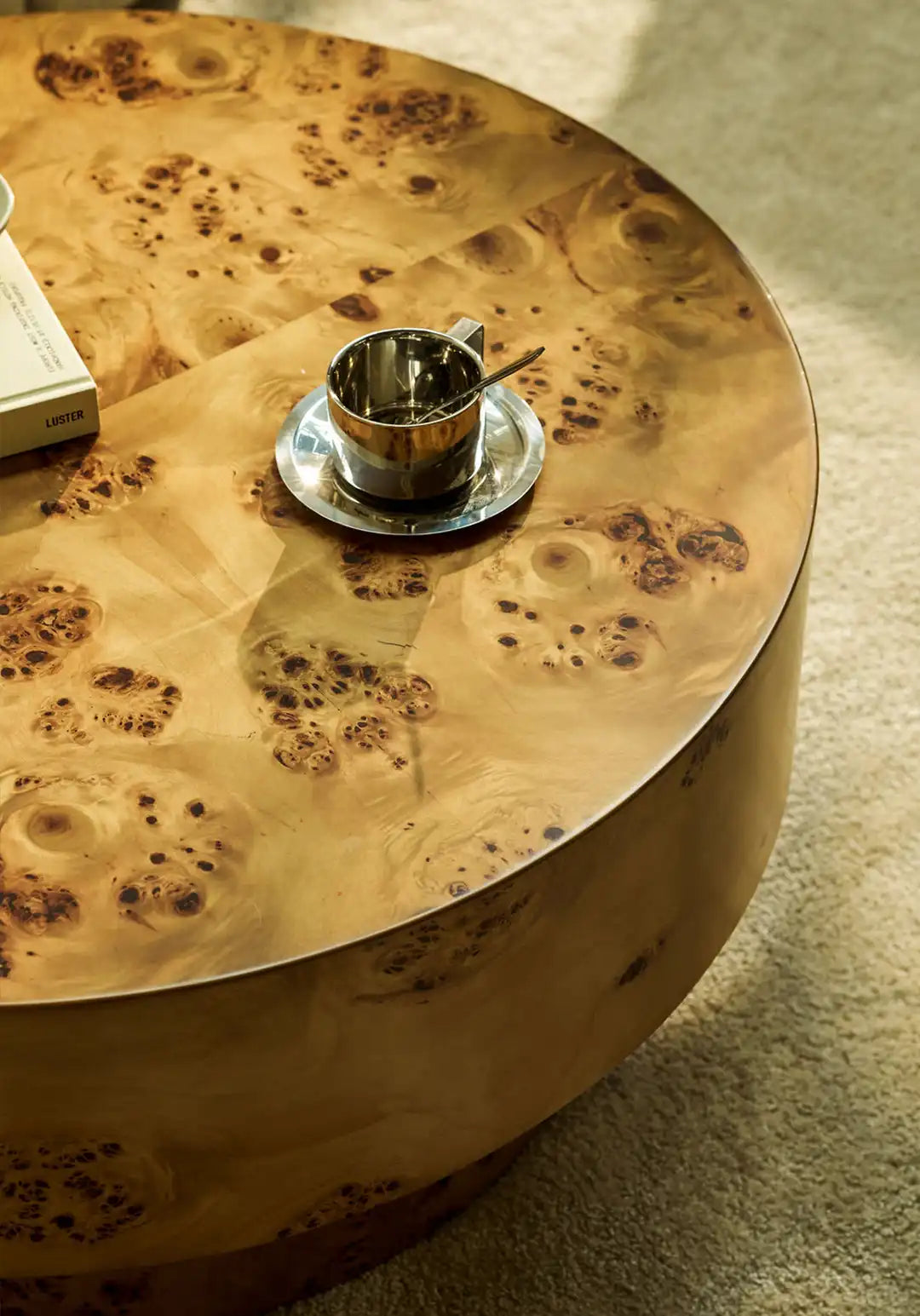
Wooden furniture is timeless. From mid-century walnuts to airy Scandic light oaks, the enduring nature and longevity of wood lends itself wonderfully to analog living. In particular, walnut-stained finishes bring warmth and richness without heaviness for pieces that will look as considered in ten years as they do today.

Natural Stone - Marble, Travertine, and Beyond

Stone is perhaps the ultimate analog material: formed over millions of years, impossible to replicate, unique in every slab. Marble brings a sense of permanence and geological depth to interiors. Travertine, with its warmer, earthier tones is textured and layered. These are materials that develop over time. 

Velvet

Rich, deeply saturated velvet - particularly in warm browns, mossy greens, and earthy reds - absorbs light rather than reflecting it, creating spaces that feel cocooned and intimate. A velvet sofa or a pair of velvet dining chairs transforms a room's energy entirely, from open and airy to close and warm.

Get the look

Mid-Century Silhouettes

The furniture of the mid-twentieth century was built around the ethos that Form Follows Function - that objects should be designed for the people who use them, not for aesthetic novelty. Rooted in human comfort and craft, they're also fundamentally pre-digital in their values, which makes them a natural home for the analog aesthetic.

And lastly, the Small Rituals Make a Big Difference

We’ve given you the know-how to embrace and incorporate analog living into your home, but this movement is as much as forming new habits than updating decor.

It’s about the physical rituals that ground us in the present moment, away from the frictionless scroll of digital life. These are deeply personal and entirely individual - but here are a few that have real resonance:

  • Putting on a record rather than opening a streaming service. The act of choosing the album, removing it from its sleeve, placing it on the turntable, dropping the needle. We create a whole photoshoot around it!
  • Eating at the dining table. The ritual of setting the table, sitting down, and being present for the meal. All these small acts allow you to decompress and be in the moment.
  • Keeping a physical notebook/scrapbook. Writing by hand engages the brain differently than typing, offering a groundedness that no app replicates.
  • Morning light without a screen. The first ten minutes after waking, spent in natural light without reaching for a phone. This one is harder than it sounds, and more transformative than it should be.

Analog living isn't a rejection of the modern world. It's a reassertion of the human one.

It asks: what does this space do for the person inside it? Does it restore, or does it drain? Does it invite presence, or facilitate distraction? Good design has always been about the people who live with it. Analog living just reminds us to keep asking the question.

Resources

Inside Hook - Ways to Unplug · Mindful - The Rise of Analog Living · House Beautiful - Going Analog · Good Homes Magazine - Analog Living is 2026 Biggest Trend · Homes + Gardens - 6 Analog Rooms Making a Comeback

Need even more inspiration?