



Halton Right Hand 3 Seater Chaise Sofa
Moss Green Sustainable Mohair Velvet
£1,295
Trends
What is Mid Century Design?
10 min read


A perfect marriage of function and style, Mid-Century with Bauhaus, Danish, and traditional influences that still ring true today, Mid-Century style is as influential now as it was back then, with sub-styles continuing to sprout from its core philosophy. Whether you’re a purist or a fan of subtle nods, the Cult Guide to Mid 20th Century and Mid-Century Modern will explore the history, hallmarks, and practical ways to infuse your home with Mid-Century style.
A Brief History · What is Mid Century Modern? · Hallmarks · Mid Century Colour Palette · Small vs Big Spaces · Trends To Avoid


A Brief History
Mid-Century can be traced back to the 1930s, with momentum building during the 1940s, continuing through the 1950s and 1960s. The post-war boom had a huge influence on the core fundamentals of Mid-Century interior design and furniture, as a shift in societal norms, an increase in leisure time, and more disposable income helped curate a sense of optimism in the Western World.
The post-war era represented innovation, reflecting a wider sense of a world ready to embrace modernity and change. Rigid rules and overdecorative elements, only reserved for the upper classes, fell out of fashion - interiors became a space for experimentation AND simplicity. The ethos was clear: homes should be practical yet beautiful, suited to the evolving lifestyle of the modern family.
Interior design and architecture began favouring open-plan layouts with floor-to-ceiling windows, where the purpose of a room was fluid and bringing the outdoors in was celebrated. This was especially apparent in living rooms and communal spaces where Mid-Century decor flourished. We began to see furniture designers pushing boundaries to utilise these new spaces, combining comfort with unexpected shapes and new materials.
Furniture became lightweight, affordable and versatile with designers such as Charles and Ray Eames and Arne Jacobsen exploring exciting new materials such as plywood, moulded plastics and metals - a far cry from the heavy, ornate pieces of previous decades. Before long, the Mid-Century design philosophy was everywhere — from streamlined sofas and functional storage units to sculptural lighting and clever modular furniture.
Whilst Mid-Century design encompasses the entire movement from 1930 to the 1960s, this trend was so influential that sub-styles began to emerge. One of the most recognisable was Mid-Century Modern (MCM).
The philosophy and ethos of Mid-Century and MCM are the same - form follows functionality. Furniture and decor that the modern home can enjoy with an exciting element of innovation. In how they interpret this, they differ.
Essentially, all Mid-Century Modern is mid-century, but not all mid-century is modern. The “modern” aspect zeroes in on innovation and minimal ornamentation - it removes all the visual clutter and keeps only what matters: comfort, proportion, and style.


Mid-Century furniture has that classic retro feel, focusing on dark woods, rich fabrics, and an earthy colour palette. The key was creating a place well and truly lived in:


Mid-Century Modern took futurism one step further and drew on the Scandinavian principle of minimalism as well as the Bauhaus movement:


A brief history
Like MCM, 70s Revival is inspired by Mid-Century with the core principle of functionality and comfort. However, 70s Revival is a recent reincarnation of Mid-Century.
70s Revival takes the Mid-Century enthusiasm for using bold materials and shapes, as well as the form follows function principle, but loosens the restraints somewhat.
Both Mid-Century and 70s Revival share a love of organic shapes and rich colour palettes - we’re talking about dark woods, high shine chrome metals, and the core colour being brown. However, there is an injection of playfulness about 70s Revival that introduces more expressive colours - brighter oranges, caramel browns, and luscious greens - and updated fabrics such as textural boucle offer depth and tactility.
70s Revival is Mid‑Century’s bolder, more theatrical cousin ‑ carrying forward the same modernist DNA but dialling up personality, warmth, and retro glamour for a more indulgent, lived‑in feel.


Hallmarks of Mid Century Design
Mid-Century furniture and decor were about crafting a lifestyle - an expression of mid-century optimism: functional, beautiful, and unapologetically modern. Even today, the retro influence defines interiors, whether you’re furnishing a bold open-plan living room or adding subtle touches of mid-century flair to a compact flat.
From kidney-shaped coffee tables to curved armchairs, geometry is key.
Form follows function, but function doesn’t mean boring. Every piece is designed to be used, loved, and admired.
Walnut-stained woods, velvets, metal, and moulded plastics all sit comfortably together, often juxtaposed for contrast.
Furniture sits low to the ground, complementing airy, open spaces.
Details are subtle - a tapered leg or gentle curve replaces heavy carvings from the Art Deco period.
Bringing Mid Century into home interiors

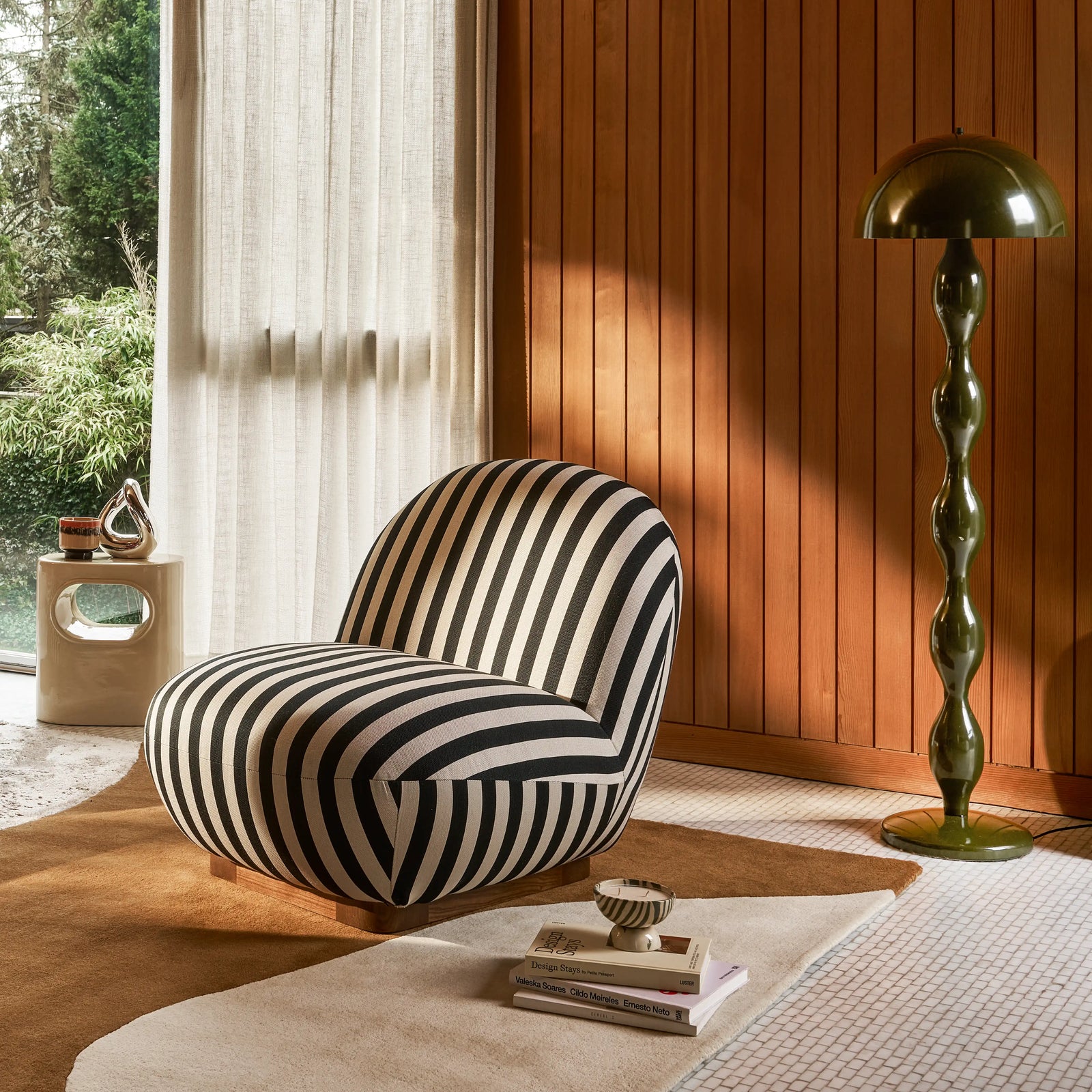
A low-profile sofa, sculptural lounge chair, or walnut-stained sideboard - all these pieces invoke Mid-Century style, combining form and function.

Tapered legs, modular sofas and soft lines within hard furniture such as coffee tables and dining tables introduced Mid-Century style subtly.

Arc floor lamps and globe shades cast sculptural shadows while doubling up as art. Mix sleek metal lamps with soft materials and dark wood for visual intrigue.

Whether it’s terracotta orange, wall panelling or 70s-inspired wall art in browns and greens, focusing on walls adds Mid-Century flair without being overwhelming.

A retro clock is a striking focus for living rooms, whilst Mid-Century decor such as sculptural vases draw the eye in - pieces can punctuate a space without cluttering.

As well as embracing olive and moss greens in upholstery, take a leaf out of the 70s Revival trend by introducing large-leafed varieties like monstera or fiddle-leaf fig to complement organic shapes and bring nature indoors.


The Mid Century Aesthetic
Mid-Century interiors are warm, earthy, and surprisingly versatile. It’s a palette that balances vibrancy with tradition - a nod to retro optimism with a timeless twist:


The Mid Century Aesthetic
Textiles were as important as wood or metal. The key? Balance texture with colour and proportion, creating layers that feel curated but never fussy.


In small spaces, mid-century furniture shines because of its lightweight, streamlined forms. Opt for multi-functional pieces like modular sofas or nesting tables in living rooms, and keep visual clutter to a minimum. Low-profile furniture keeps sightlines open, while bold accent colours and patterned cushions add personality without overwhelming. Mirrors and well-placed lighting amplify space, creating an airy feel.


Large spaces, by contrast, allow for drama. Oversized lounge chairs, sculptural sideboards, and feature lighting can command attention. Open-plan layouts work beautifully with mid-century design, as furniture can define zones without walls. In both small and large rooms, the key is proportion: furniture should feel grounded but never bulky, keeping the essence of mid-century elegance intact.
Heavy, carved furniture clashes with the era’s clean lines.
Iconic plastic pieces are fine in moderation; avoid cheap, bulky alternatives.
Too many bold prints can feel chaotic rather than curated.
Mid-Century design isn’t just a historical footnote; it’s a blueprint for how to create interiors that feel timeless, functional, and effortlessly stylish. Its principles — clean lines, organic curves, and smart material choices — continue to influence furniture trends, decor, and even 21st-century home design.
Shop Mid Century
Moss Green Sustainable Mohair Velvet
Vintage Tan Faux Leather & Black
Moss Green Sustainable Mohair Velvet
Striped Fabric & Walnut
Walnut
Walnut
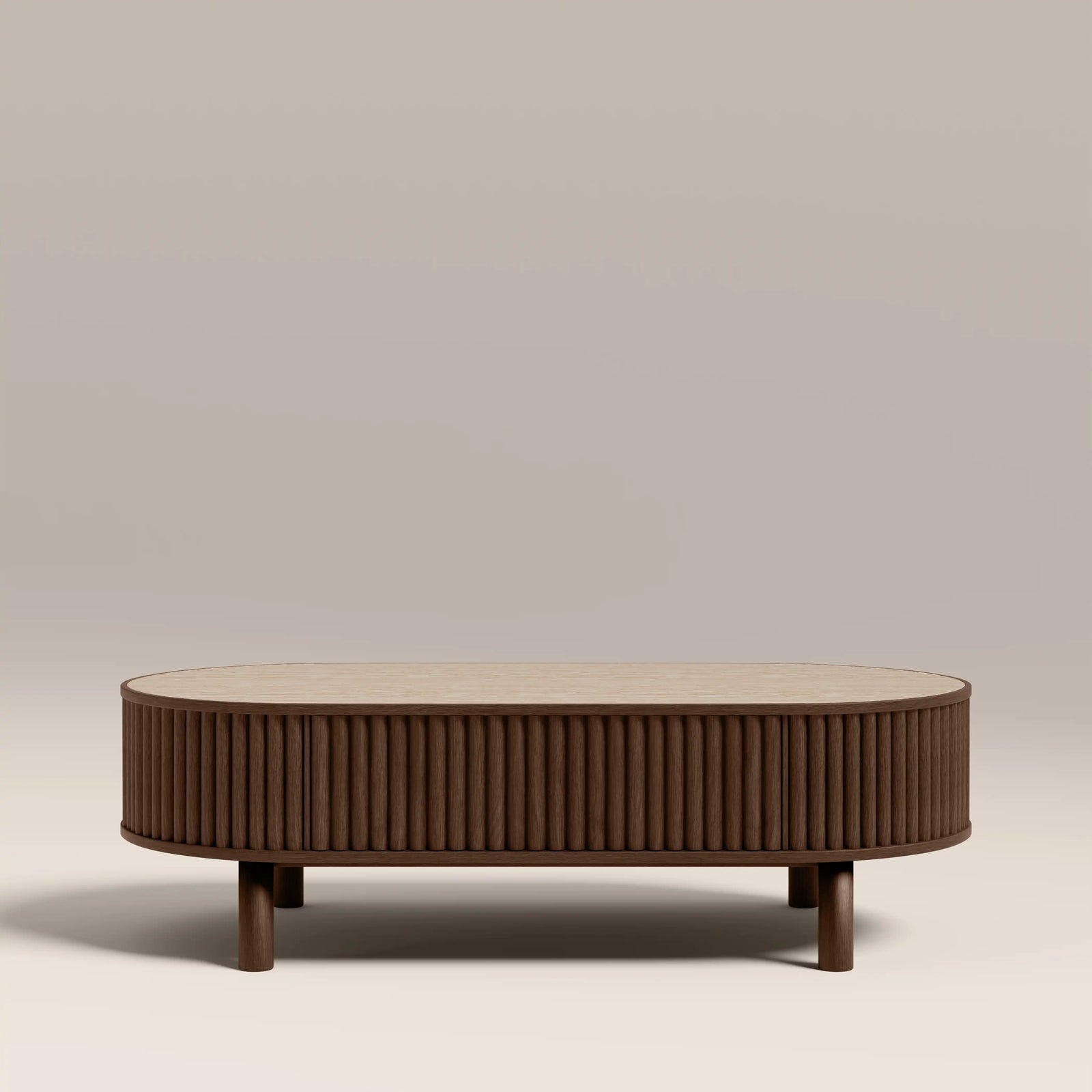

Natural Travertine Effect Sintered Stone & Smoked Walnut
Trends


10 min read
Clean, minimal, and pared back: Scandic interior design is the art of visual calm, layering texture, ambient lighting, and harmonious materials to create a home that feels cosy and stylish.
Read Article
Trends


10 min read
Let’s take a look at 70s Revival. A vibrant blend of nostalgia and innovation, 1970s interior design incorporates elements of bohemian freedom from the 1960s as well as radical design from space-age futurism.
Read Article
Trends


10 min read
High gloss doesn't do wallflower. From choosing the right hue for your space to styling tips and ideas for every room in the home, we've got everything you need to make high gloss work for you.
Read Article

1000s of products in stock for quick delivery

Shop guilt-free with our Eco Edit range

Our London Showroom is bursting with inspiration

Hassle-free returns and exchanges
Your bag is currently empty.
Join the Cult, having an account gives you access to:
Please select your shipping location to continue to our online store.
Save your Wishlist by logging in or creating an account. Share it easily after logging in.
Select list
Get in touch with our team directly for all your trade related enquiries.