











In Stock
In Stock
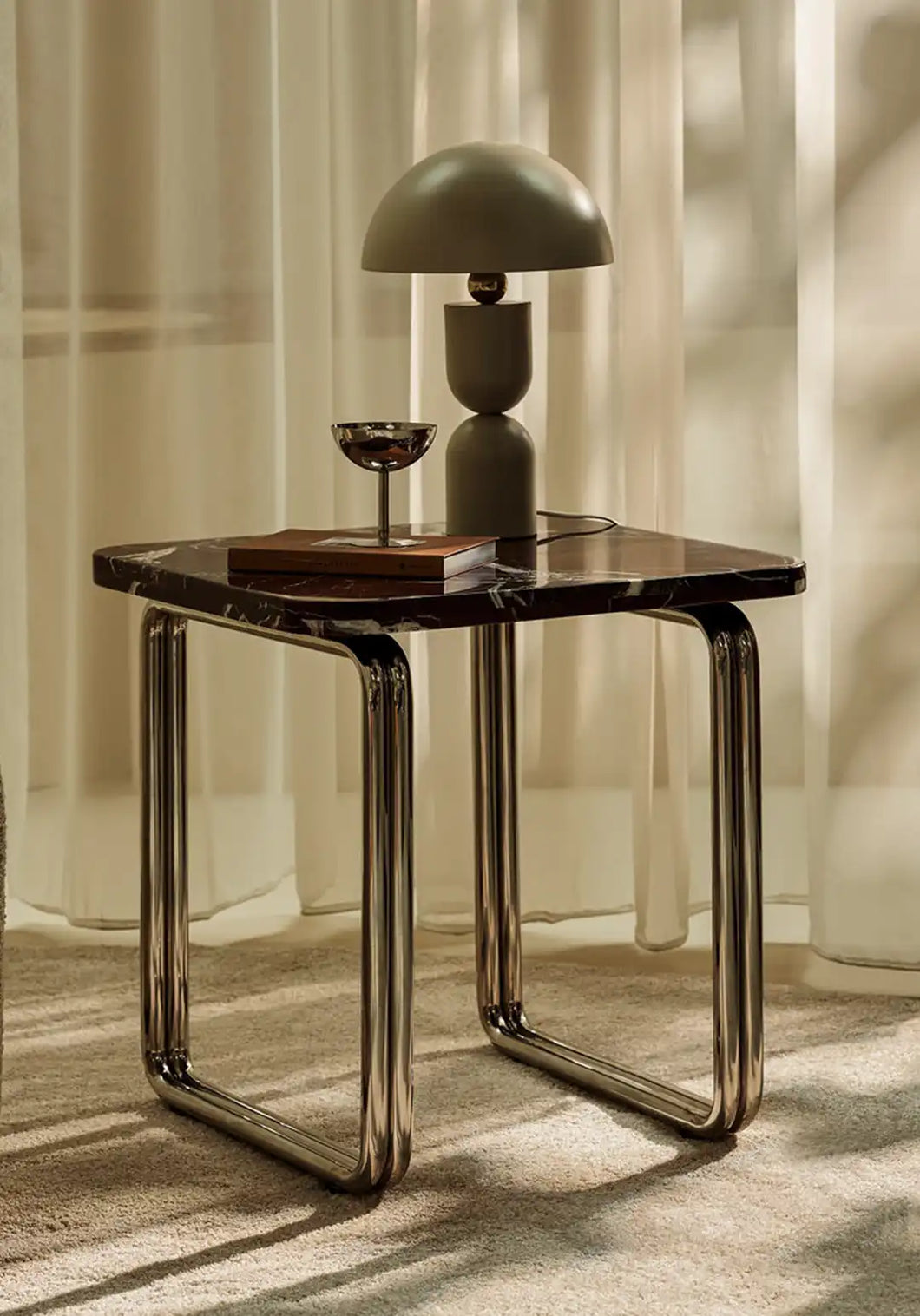
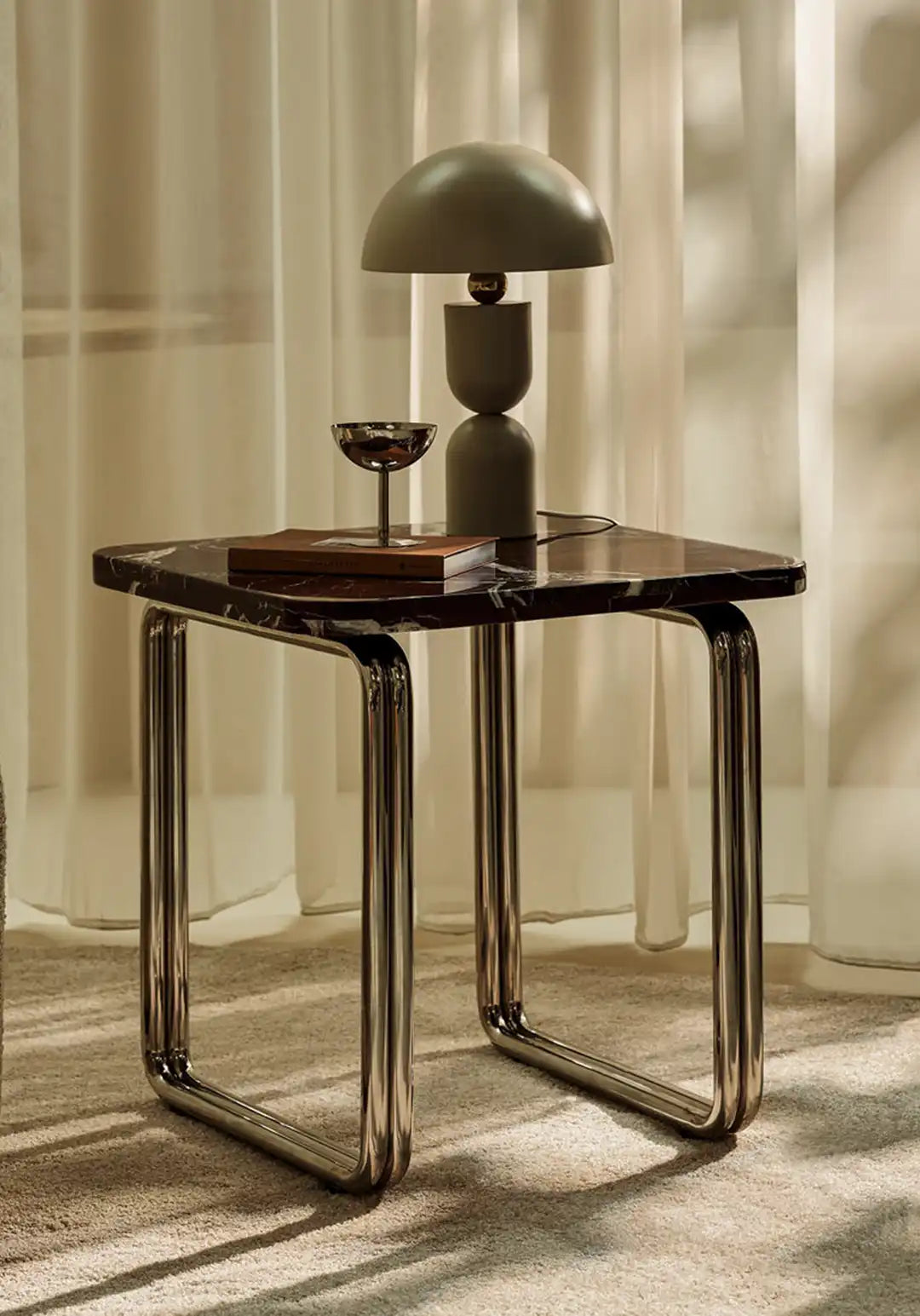
Imani Round Side Table
Cappuccino Brown Marble & High Gloss Latte
£195
Trends
What is Scandi Interior Style?
10 min read


It’s the art of visual calm that layers texture, ambient lighting, and harmonious materials to create a home that feels both cosy and effortlessly stylish. Incorporating Nordic themes takes the core principles of Danish living - functionality, minimalism, and practicality - and elevates them with the hygge ethos. It’s a world of tactile textiles and carefully curated furniture, so come with us on a journey to Scandinavia, where interior design isn’t just a hobby, it’s a lifestyle.
Brief History · Hallmarks · How to Style Scandic · Scandi vs Japandi · Scandinavian Colour Palette · Small vs Big Spaces · Designs To Avoid


A Brief History
Whether you prefer the term Scandi, Nordic, or Danish, the principles and ethos of this staple interior trend remain the same: elevated simplicity. Scandinavian Design is an “aesthetic” - lifestyle and movement that will always be significant in interior design and furniture, regardless of the societal and cultural shifts at any given time.
We can see the emergence of Scandinavian design as far back as the 1930s, with famous architects including Josef Frank, Alvar Aalto, and Arne Jacobsen. However, it would be a few more decades before the movement grew in popularity and cemented itself as an interior design staple, thanks to exhibitions in America such as “Design in Scandinavia” from 1954-1957. In a similar way to Mid-Century Design, this post-war era was craving a shift from ornate and impractical interior design to simple, functional pieces. It’s in their values and outcomes that these two core trends differ, with Mid-Century leaning towards darker earthy tones, and Scandinavian Design opting for airy spaces and ample lighting.
This exhibition had a monumental effect on the public. Spanning across America and Canada, although its marketing reached globally, the Design in Scandinavia exhibition showcased furniture design from Denmark, Finland, Norway, and Sweden.
With a focus on furniture, textiles, and home decor, this propelled Nordic furniture design - and its top designers - introducing Scandinavian style to the masses. Similar exhibitions cropped up across the world, including the UK, as well as the Lunning Prize.
Instituted by Frederik Lunning - owner of Georg Jensen Inc, a department store in New York specialising in importing Scandinavian goods - the Lunning Prize was awarded to two Nordic designers every year from 1951 to 1970. And all the hype surrounding Scandi design, from architecture to furniture, introduced the concept of hygge to the masses.


A brief history
Scandinavian design today still keeps those core values at the centre, and without these, the whole aesthetic loses its focus. It’s this strength in design and ethos that has kept Scandinavian design as such a prominent design staple since the 1950s.
In how Scandinavian Design has evolved, we continue to see more fluidity in shapes with curved forms and playful patterns, offering whimsicality to rooms. The theme of layering has intensified, with exaggerated chunky knits cascading over tactile boucle sofas, not to mention jute rugs and textured cushions giving further depth whilst remaining true to Scandi roots.
A greater focus on sustainability in the modern world lends itself perfectly to the ethos of considered Scandic design. The use of recycled plastics is becoming the norm, and is certainly something we champion at Cult with our range of sustainable velvets and boucles created from plastics found in our oceans.


A brief history
Pronounced “hoo-gah”, hygge originates from Denmark and doesn’t have a direct translation - it’s more of an essence or a mood. The Danish concept of hygge represents a feeling of contentment and enjoying the simple pleasures within the home.
During the long, dark winters in Scandinavia, hunkering in one’s home and creating a warm, inviting atmosphere was a necessity. Through soft lighting, such as the use of candles or roaring fireplaces, or soft textiles, hygge offers a calm place to be present, and can be achieved on any budget. We’re starting to see the appeal…


Hallmarks of Scandinavian Design
Calm, curated, and functional, Scandinavian Interior Design invites you to live in a world where everything matches effortlessly, minimalism is a moral virtue, and your home feels like it’s permanently bathed in that elusive northern morning light.
Think clean, smooth lines and purposeful furniture oozing simplistic style, free of fuss; minimal yet considered home decor and uncluttered spaces. Every piece of furniture has a purpose, with a “less is more” mentality, with minimalist and uncomplicated spaces.
Using light colours and a mixture of textures to elevate minimalism to give a cosy “hygge” feeling whilst maximising soft, natural light. Soft ambient lighting, a neutral colour palette and big windows that allow natural light to flood in.
Natural materials such as light woods, wool and boucles to offer texture and warmth. Woods and natural stones like travertine connect indoor spaces with the outdoors. Don’t forget a roaring fire, or at least an imitation of one!
Warm white walls give that feeling of openness and large windows maximise natural light, whilst oak-stained and light woods complement soft tan leathers.
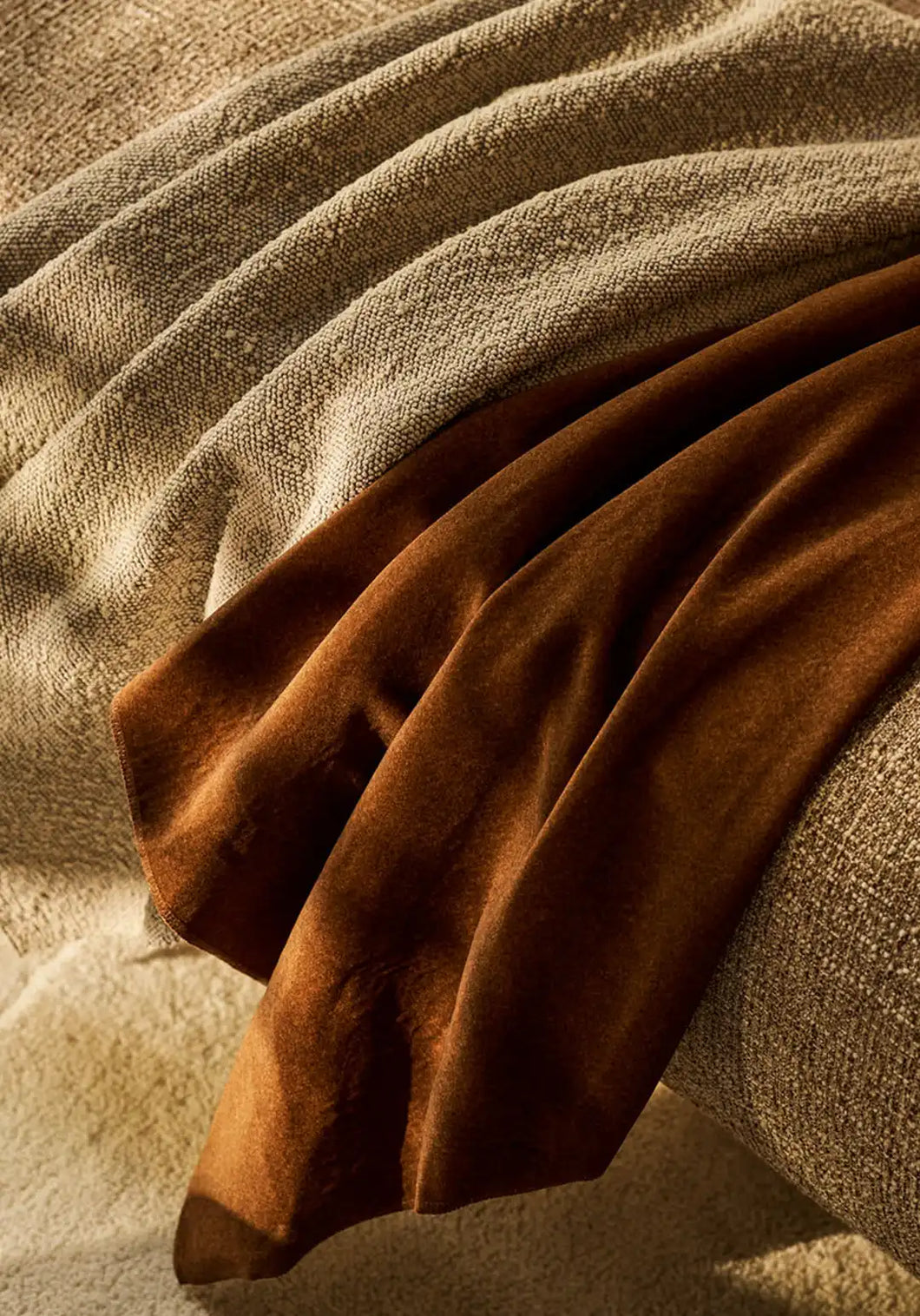
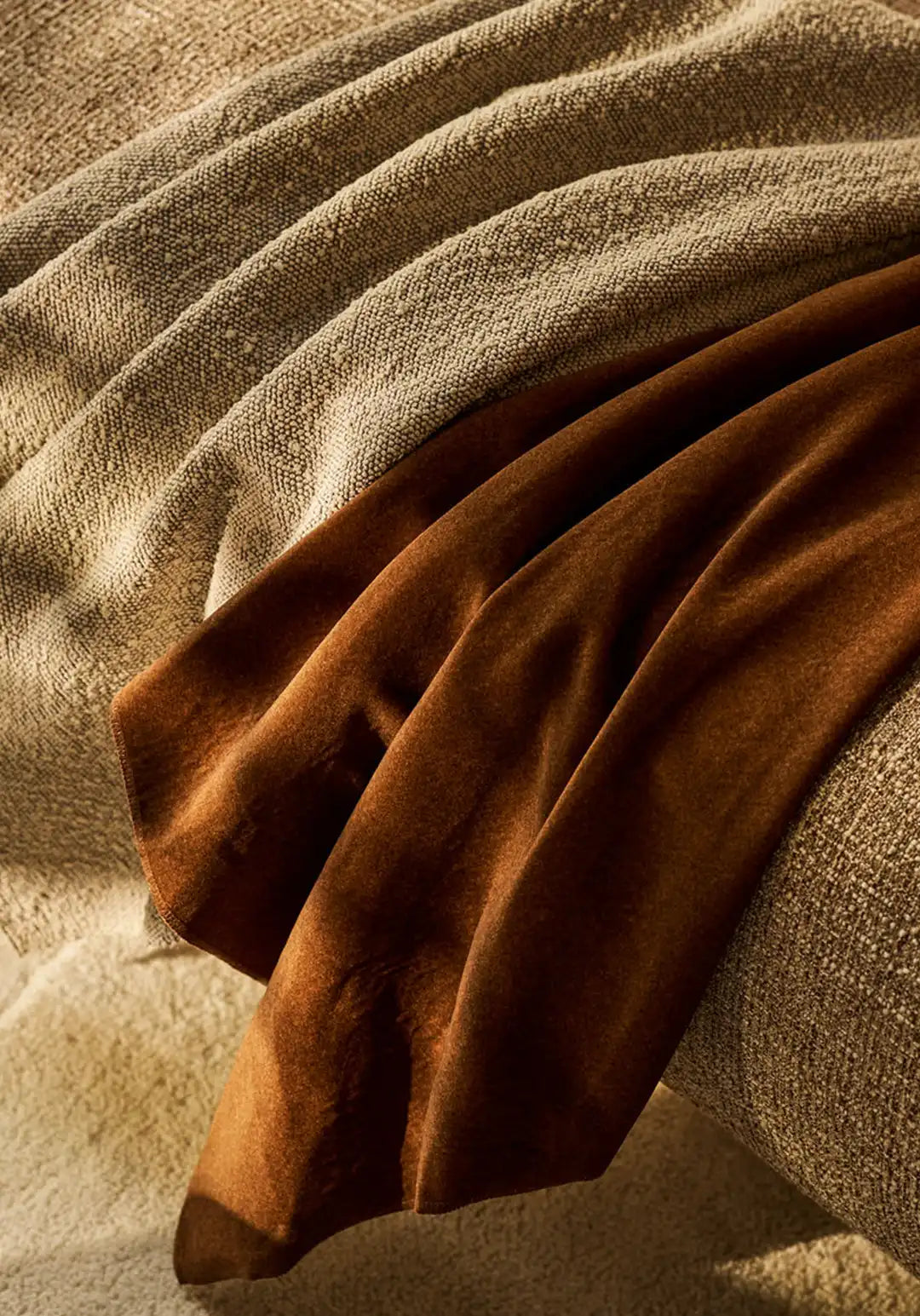
Adding warmth and comfort with textiles and tactile fabrics that incorporate hygge effortlessly. Go for cosiness with soft throws and cushions in linens and wools paired with a tactile boucle sofa. And to finish? A scented candle.
Timeless multifunctional furniture pieces that develop character over the years, getting better with age. Celebrating the imperfections within wood and fabrics, and therefore, sustainability.
How to use Scandi furniture
Bringing Scandinavian Design into home interiors

Prioritise functionality over fleeting trends. Simple, well-made furniture that embodies minimalist and functional design, gaining character over time.

It’s all about quality over quantity, so remove unnecessary home decor to convey openness. Look out for unique home decor with a neutral colour palette and organic curves.

Warm lighting is key in Nordic Design. Avoid the ‘Big Light’ and opt for table and floor lamps with low wattage, and diffused lighting through cream linen and fabric shades.

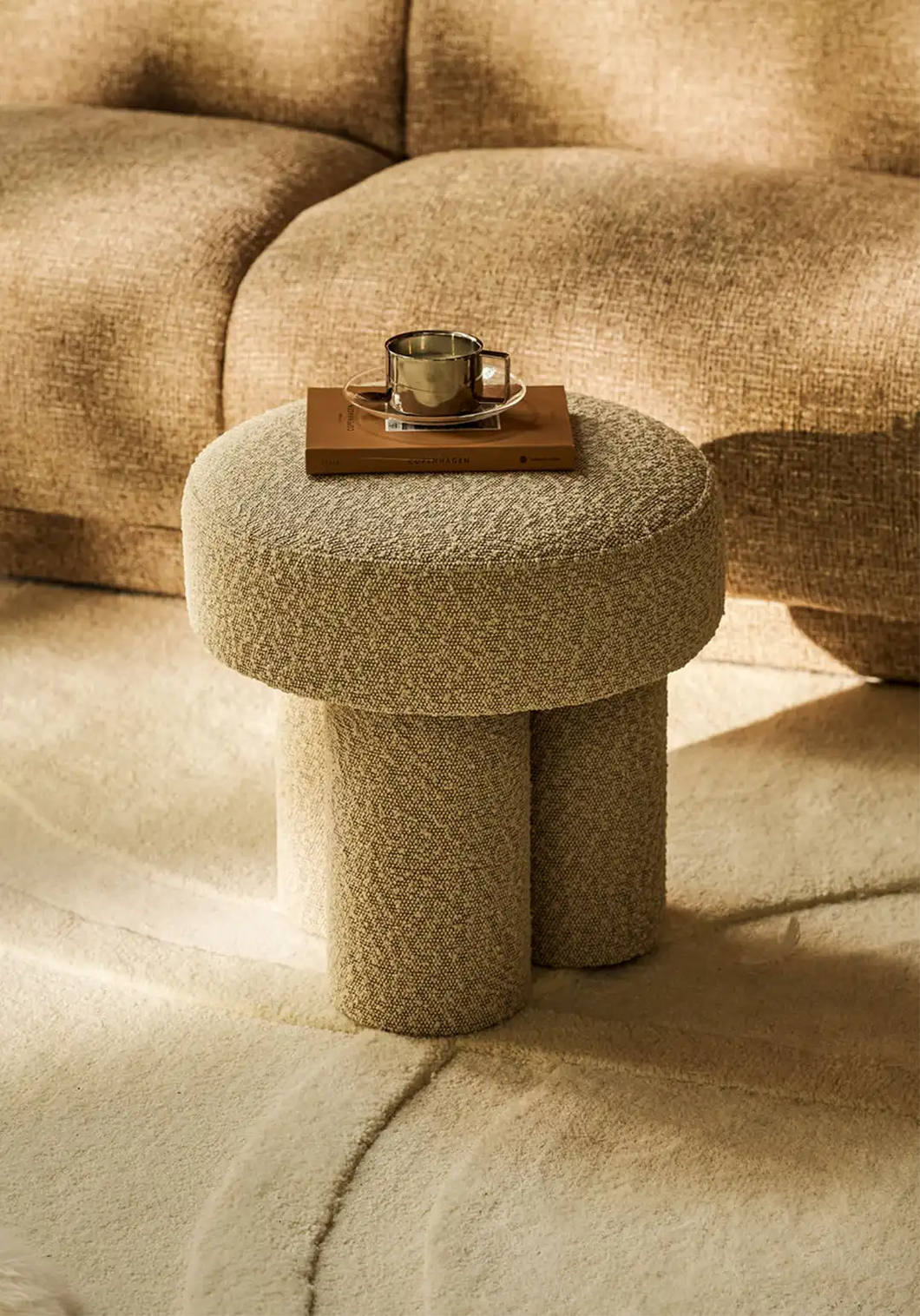
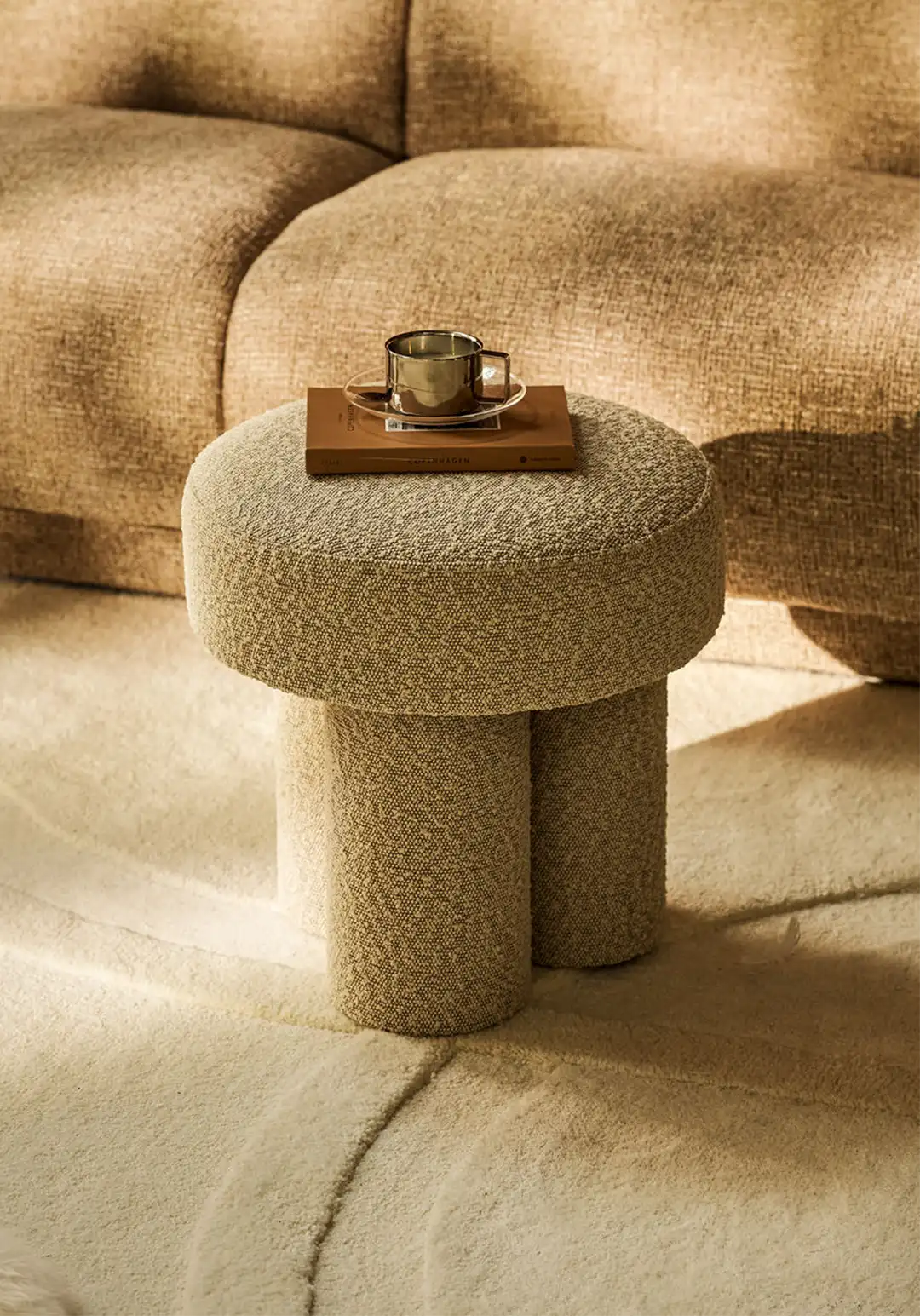
Chunky knitted throws and linens are a Scandic staple, but also consider jute rugs to add that natural element. Boucle is also versatile and, in neutral hues, screams Scandi.

White walls offer openness but can be cold depending on the natural lighting - ensure hygge cosiness by incorporating creams, greys, and natural woods that give warmth.

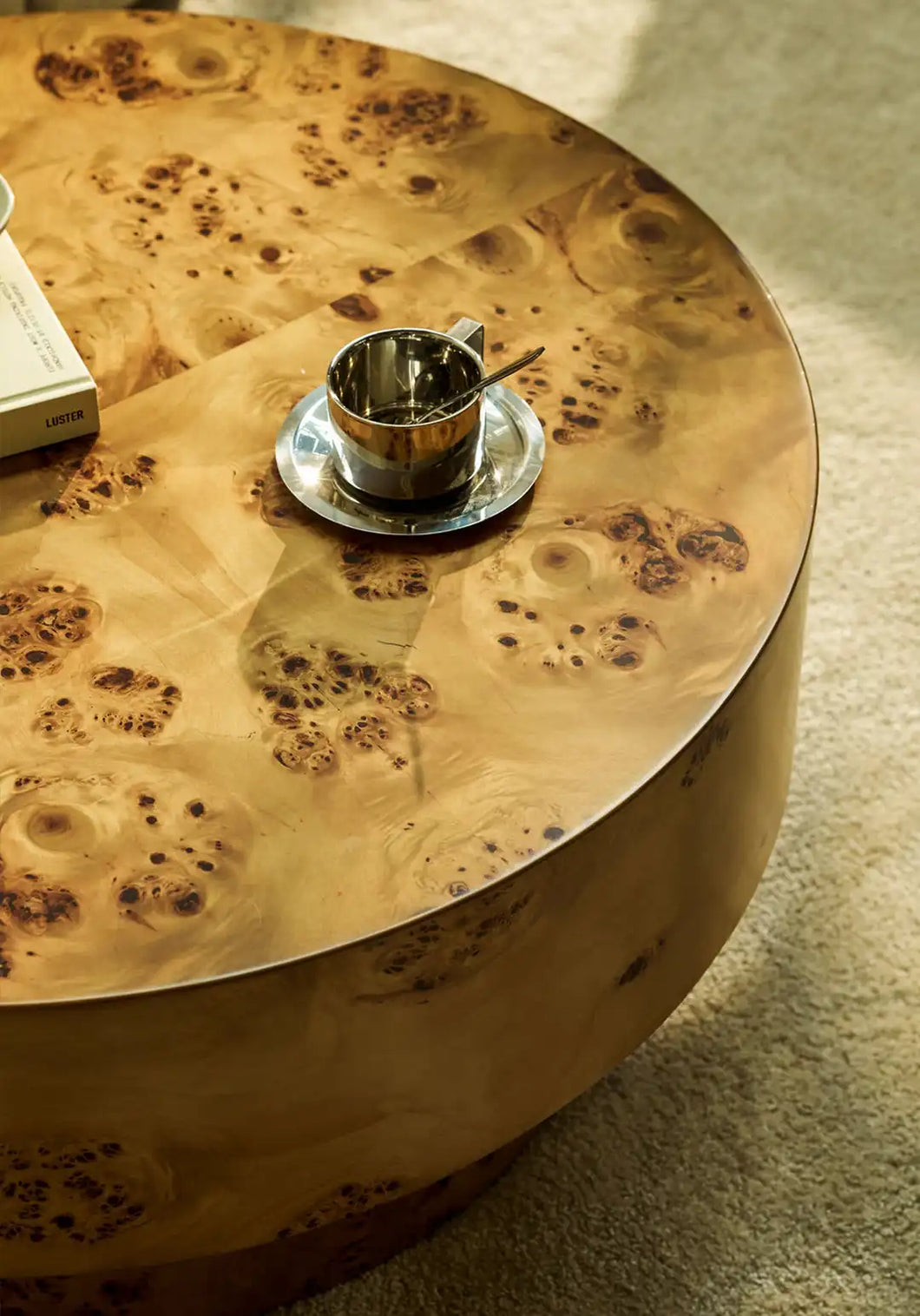
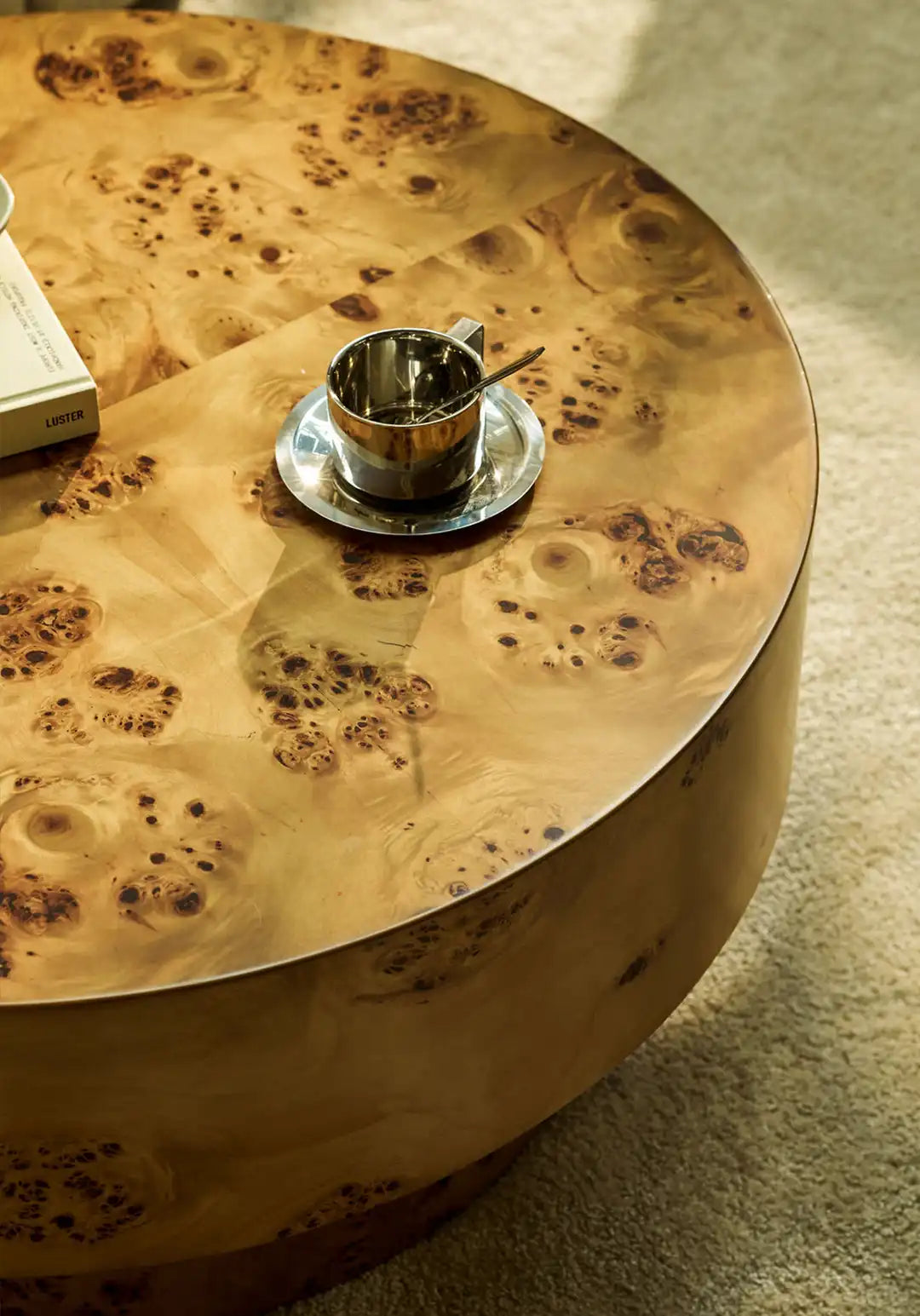
Light woods such as pine and oak, as well as light burl woods, in classic pieces such as sideboards, incorporate nature with their unique surface and pattern.


The Scandi Aesthetic
Unbothered and effortlessly composed, a Scandinavian colour palette isn’t about fleeting trends - it’s a lifestyle decision, whispered in soft neutral fabrics and warm woods. The beauty of the Scandic colour palette lies in the restraint - each shade is selected with confidence.
It’s minimalism, yes - but these palettes are purposefully soothing with a warm feel that creates grounded, lived-in spaces. Scandinavian colour is the secret weapon of anyone looking to achieve that highly coveted vibe: calm, intentional, and just the right amount of smug about having excellent taste.


The Scandic Aesthetic
Scandinavian textures and patterns are basically the quiet overachievers of the design world - subtle yet stylish enough to spark envy. To possess this envious style, follow these top tips:
These textures and patterns work like the supporting cast for a layered, organic, effortlessly trend-resilient look. They keep Scandic Interior Design from looking cold and offer pops of personality.


Scandinavian design is famously good at reading the room - especially when that room is tiny, cavernous, or somewhere in between. In small spaces, Scandi principles really earn their keep. Light colours bounce daylight around like it’s their full-time job, while pared-back furniture keeps things feeling intentional rather than cramped. Think slim silhouettes and multifunctional heroes (storage benches, extendable tables) that utilise the space to the absolute fullest. Texture is key here: a wool throw, a woven rug, a little timber grain - enough warmth to stop minimalism from tipping into “temporary rental chic.”


In larger spaces, Scandinavian design shifts gears but keeps its cool. The trick is resisting the urge to fill every inch just because you can. Instead, zoning becomes your best friend. Use rugs, lighting, and furniture groupings to create cosy moments within the openness - conversation areas, reading corners, dining zones that feel grounded rather than adrift. Larger rooms also permit you to scale up: generous sofas, oversized pendant lights, bolder wood grains, and statement pieces that still feel calm, not shouty. Patterns can come out to play a little more, too - subtle geometrics or oversized weaves that add interest without visual noise.
Whether you’re working with a bijou flat or a sweeping open-plan space, Scandinavian design is all about balance: light and warmth, function and beauty, restraint and confidence. It’s not about how much space you have - it’s about how thoughtfully you let it breathe.
Shop Scandinavian Design
Cappuccino Brown Marble & High Gloss Latte
Speckled Stone Sustainable Boucle & Walnut
Natural Mango Wood
Walnut
Moss Green Sustainable Mohair Velvet
Oak
French Riviera Marble & Walnut
White Carrara Honed Marble Effect Stone
Trends


10 min read
Mid-Century Design is effortlessly cool - a “form follows function” philosophy with Bauhaus, Danish, and traditional influences that still ring true today.
Read Article
Trends


10 min read
Let’s take a look at 70s Revival. A vibrant blend of nostalgia and innovation, 1970s interior design incorporates elements of bohemian freedom from the 1960s as well as radical design from space-age futurism.
Read Article
Trends


10 min read
High gloss doesn't do wallflower. From choosing the right hue for your space to styling tips and ideas for every room in the home, we've got everything you need to make high gloss work for you.
Read Article

1000s of products in stock for quick delivery

Shop guilt-free with our Eco Edit range

Our London Showroom is bursting with inspiration

Hassle-free returns and exchanges
Your bag is currently empty.
Join the Cult, having an account gives you access to:
Please select your shipping location to continue to our online store.
Save your Wishlist by logging in or creating an account. Share it easily after logging in.
Select list
Get in touch with our team directly for all your trade related enquiries.