Get Inspired

Curved Furniture
Why Soft Shapes Are Taking Over in 2026

5 min read

Generous forms + curved shapes are in. Here’s why soft furniture is taking over.

Hard-edged minimalism and geometric, sharp angles and clean lines - they've all had a good run - but it’s time for geometric precision to make way for soft curves. We’ve seen soft forms and curved furniture at every major festival over the past year  - here is why, and how it can work for you.

 Why Curves in 2026?

 Why Curves in 2026?

 Why Curves in 2026?

 Why Curves in 2026?

Sharp angles communicate precision + control. Curves communicate comfort, ease + warmth.

The timing makes sense when you understand what's driving it. After years of hard-edged minimalism, people want interiors that feel generous and welcoming.

Why Curves in 2026?

Curves echo the 2026 trends we’ve been seeing, and look to be continuing into 2027. The need to slow down. 

If you’re a regular reader, you know we’ve done a deep dive into the Analog Living, and even the British Seaside Revival - how these trends are affecting our homes, and promoting a more relaxed way of life. But the art of slowing down isn’t going to be fleeting. This is a lifestyle shift. So if you’re worried about your home looking dated in the coming years, you can relax into your oversized modular sofa and take a deep breath out. 

You’ll also notice a clear Mid-Century and retro revival thread running through. The bulbous, organic forms of that era - deeply sculptural, unapologetically soft - are a direct ancestor of what's happening now. We're not copying them. We're just continuing the conversation.

Curved Sofas...

...The Statement That Does All the Work.

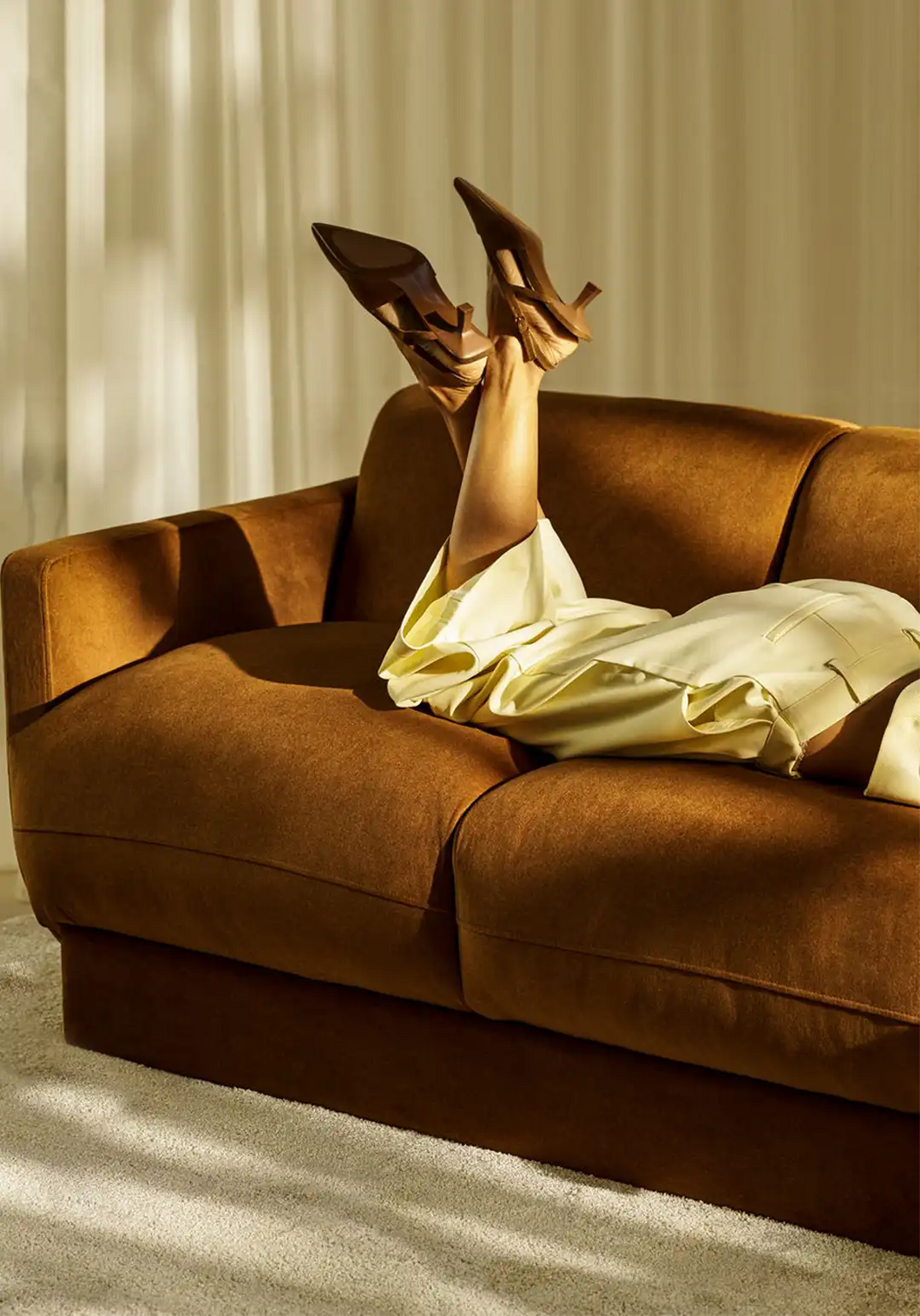
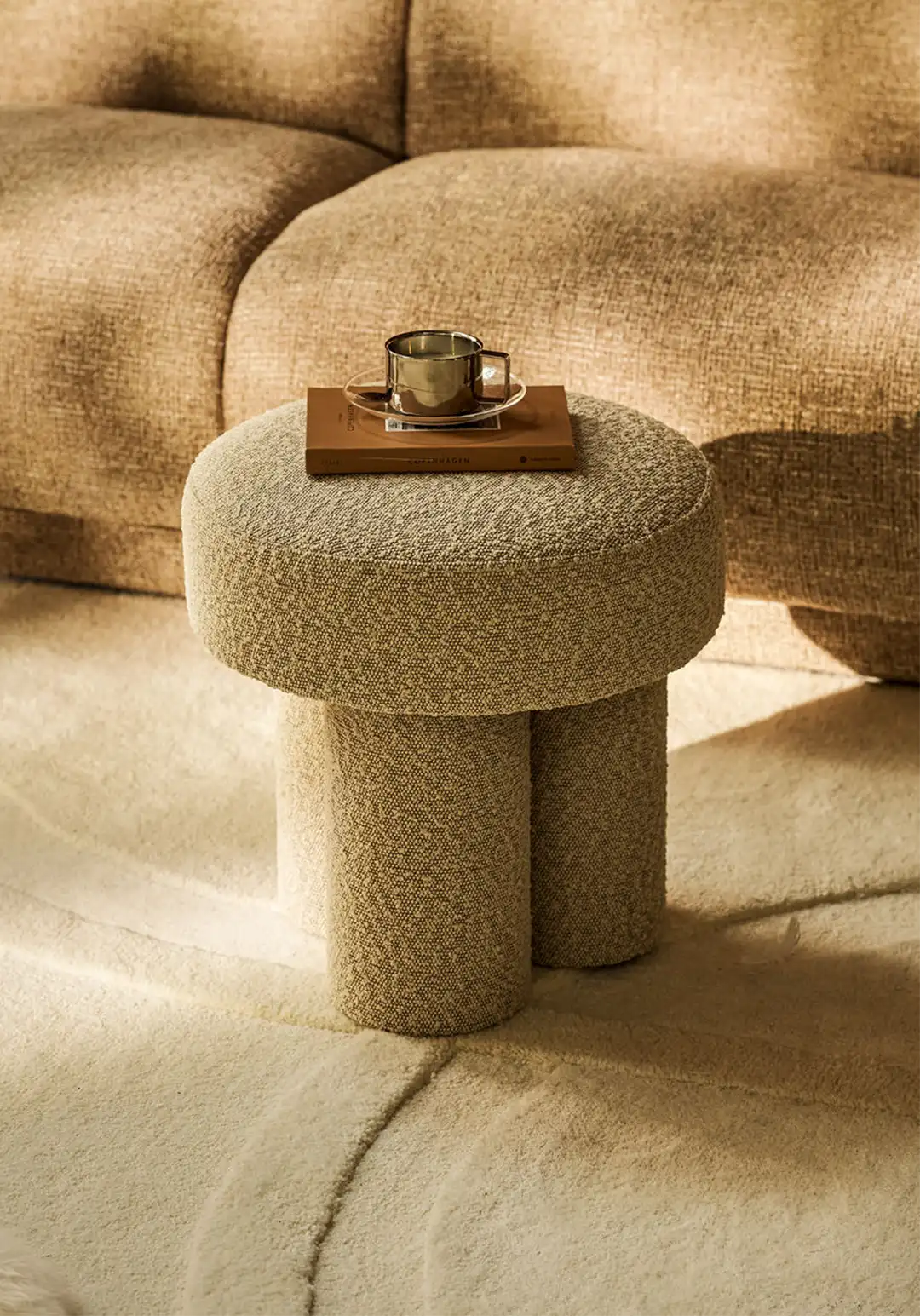
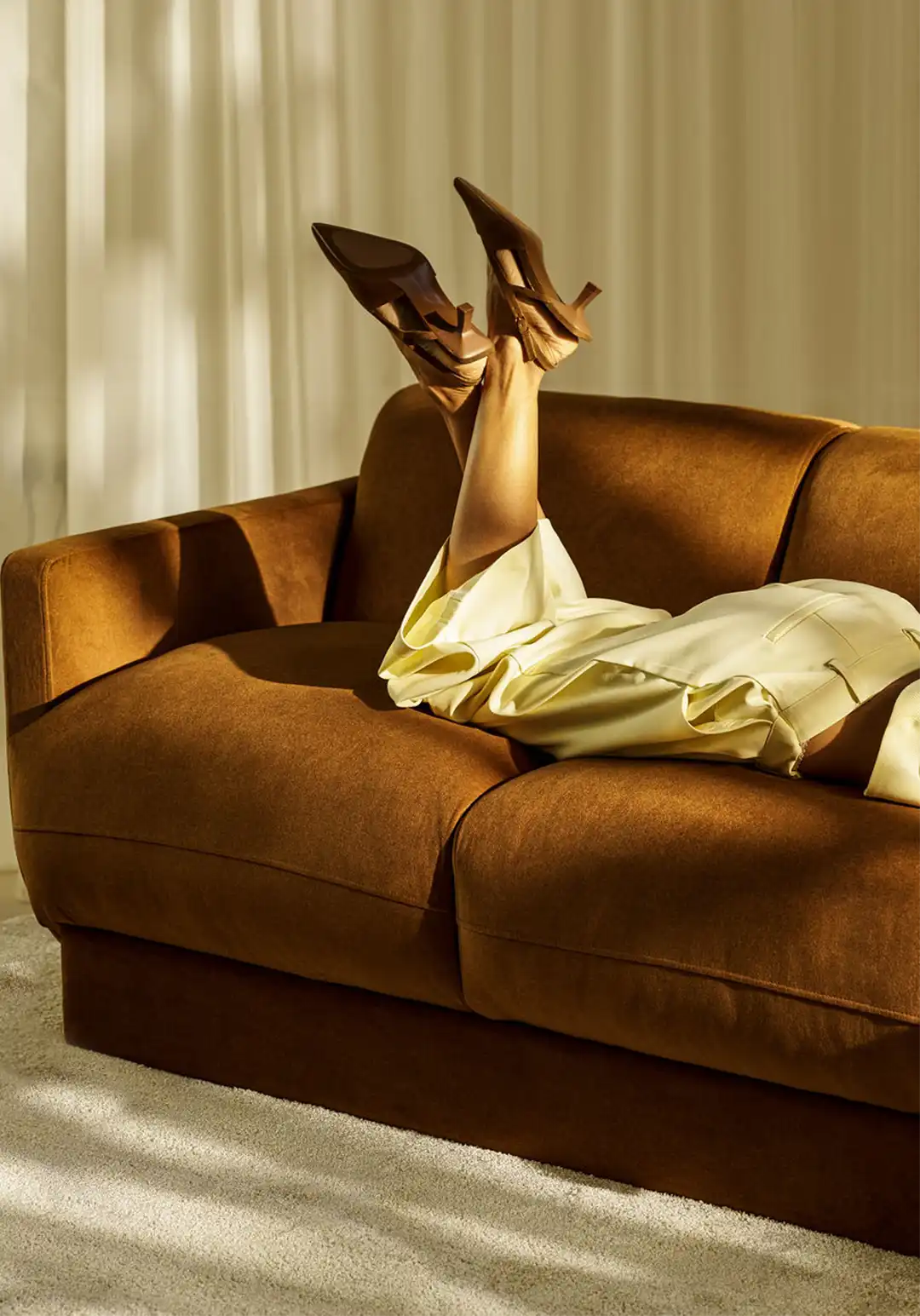
If there's one piece that defines the curved furniture moment, it's the sofa. Generous, rounded, low-slung - a curved sofa naturally draws people together. Whether it’s a sofa style that faces inwards to encourage connection, or the curved silhouette of a retro sofa’s back and armrest, these sofas create an intimacy that a standard three-seater simply can’t.  

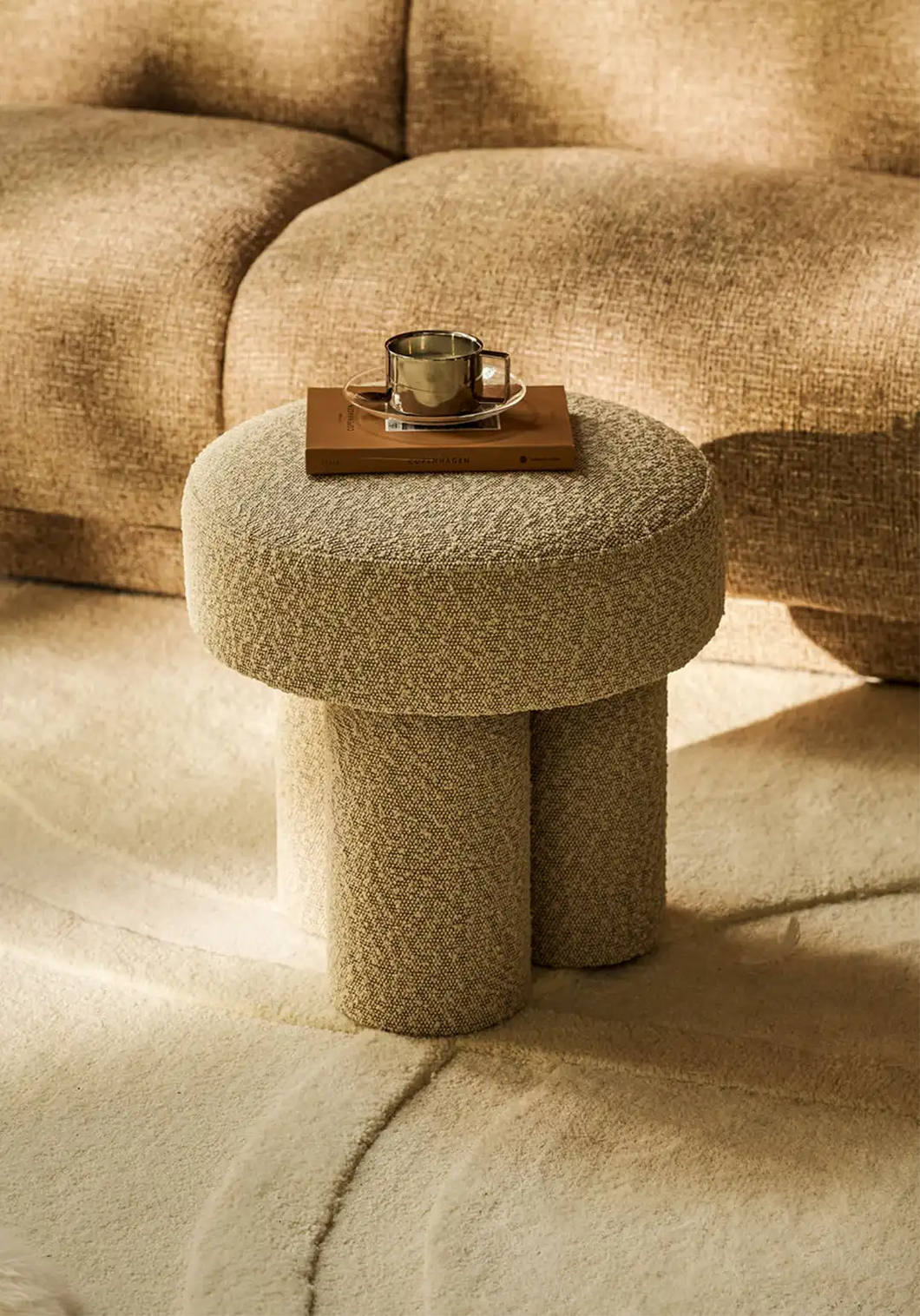
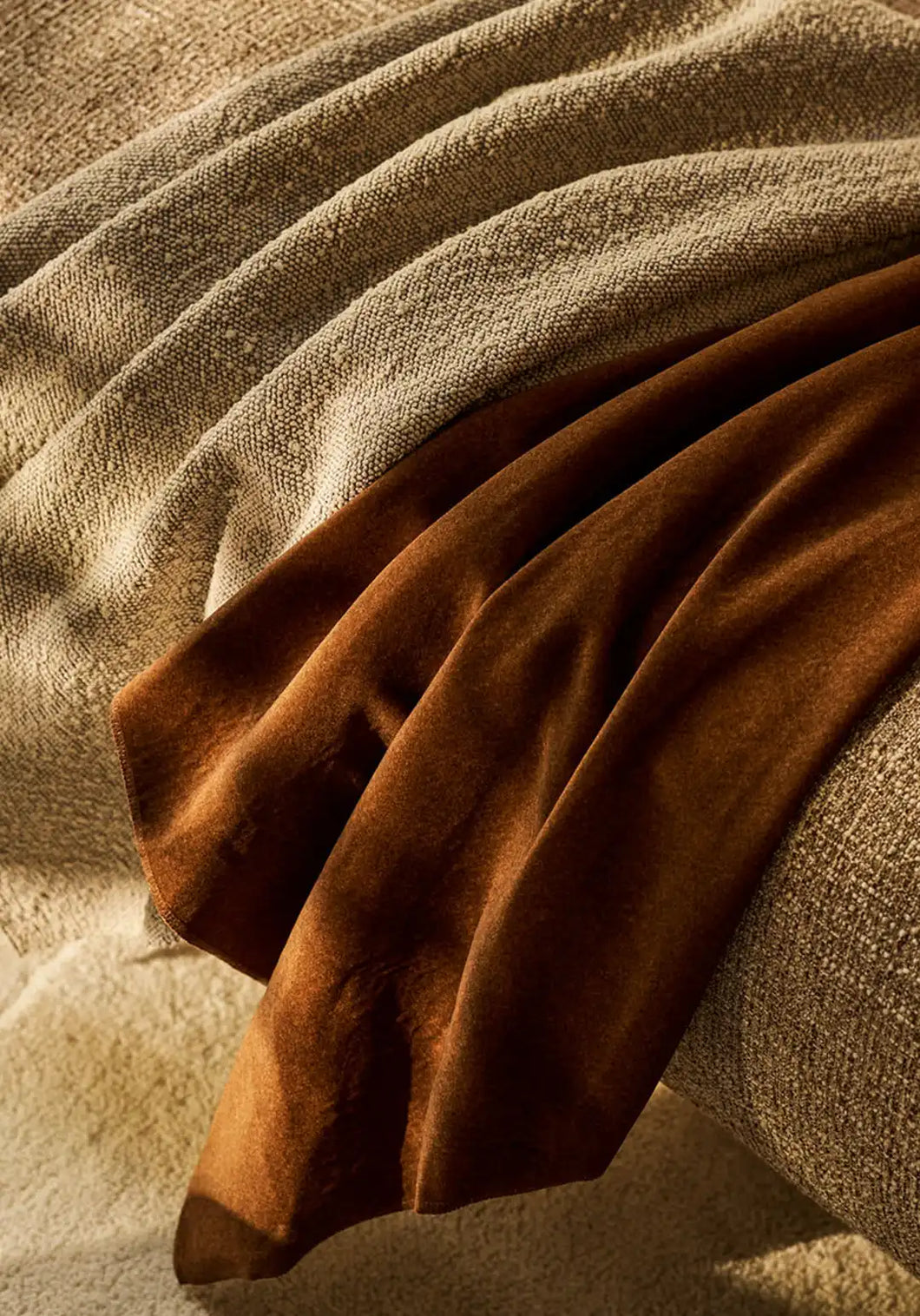
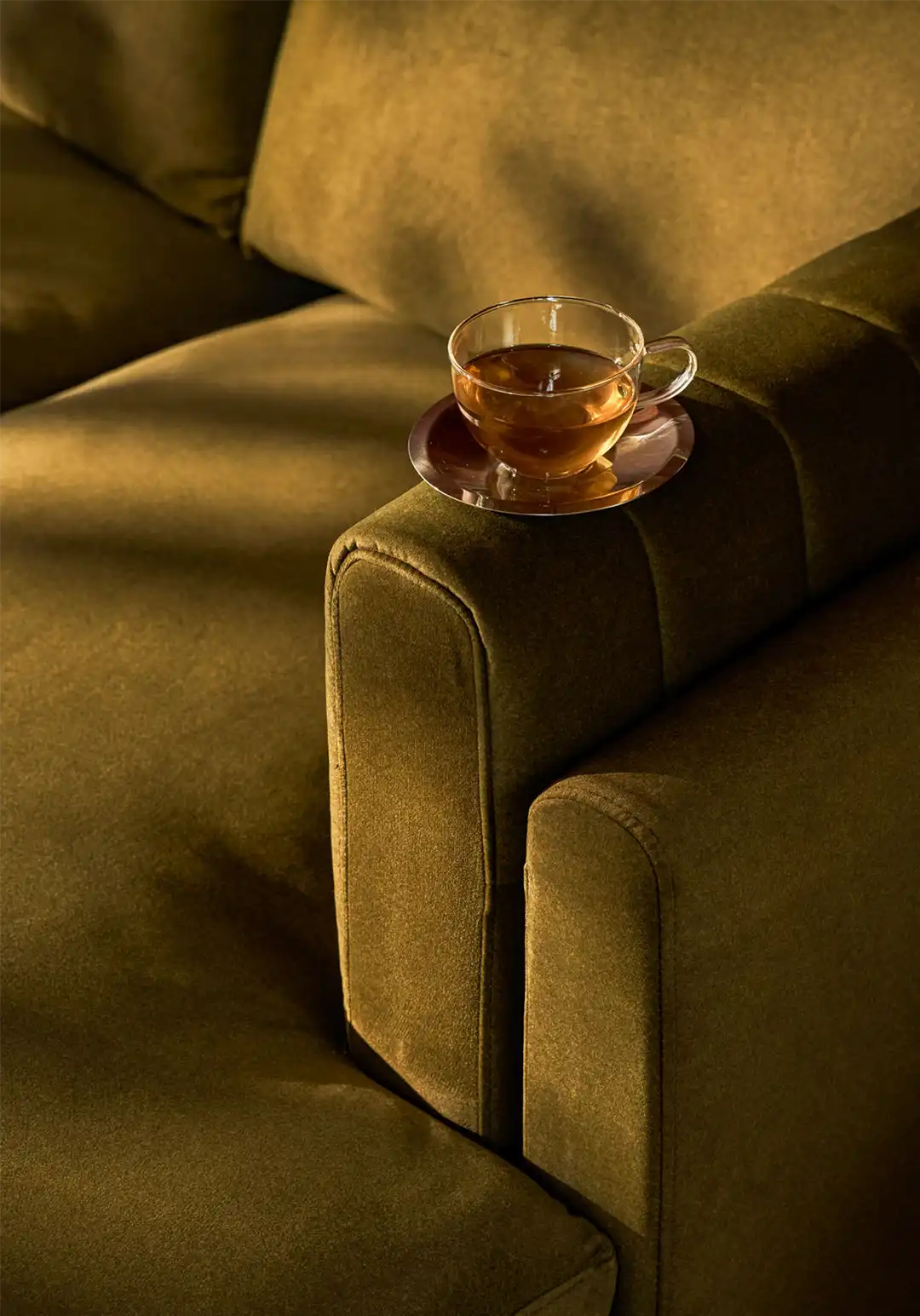
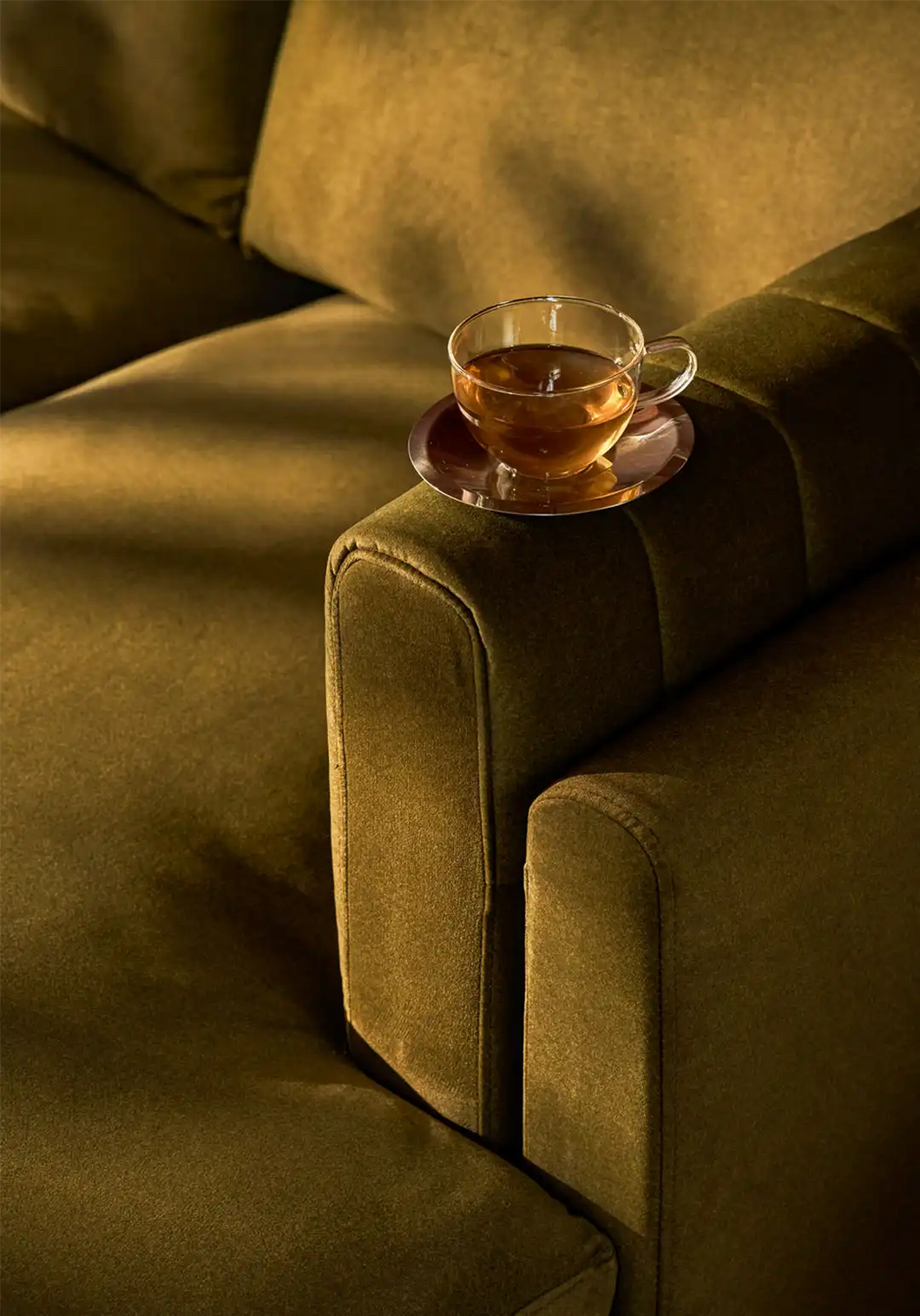
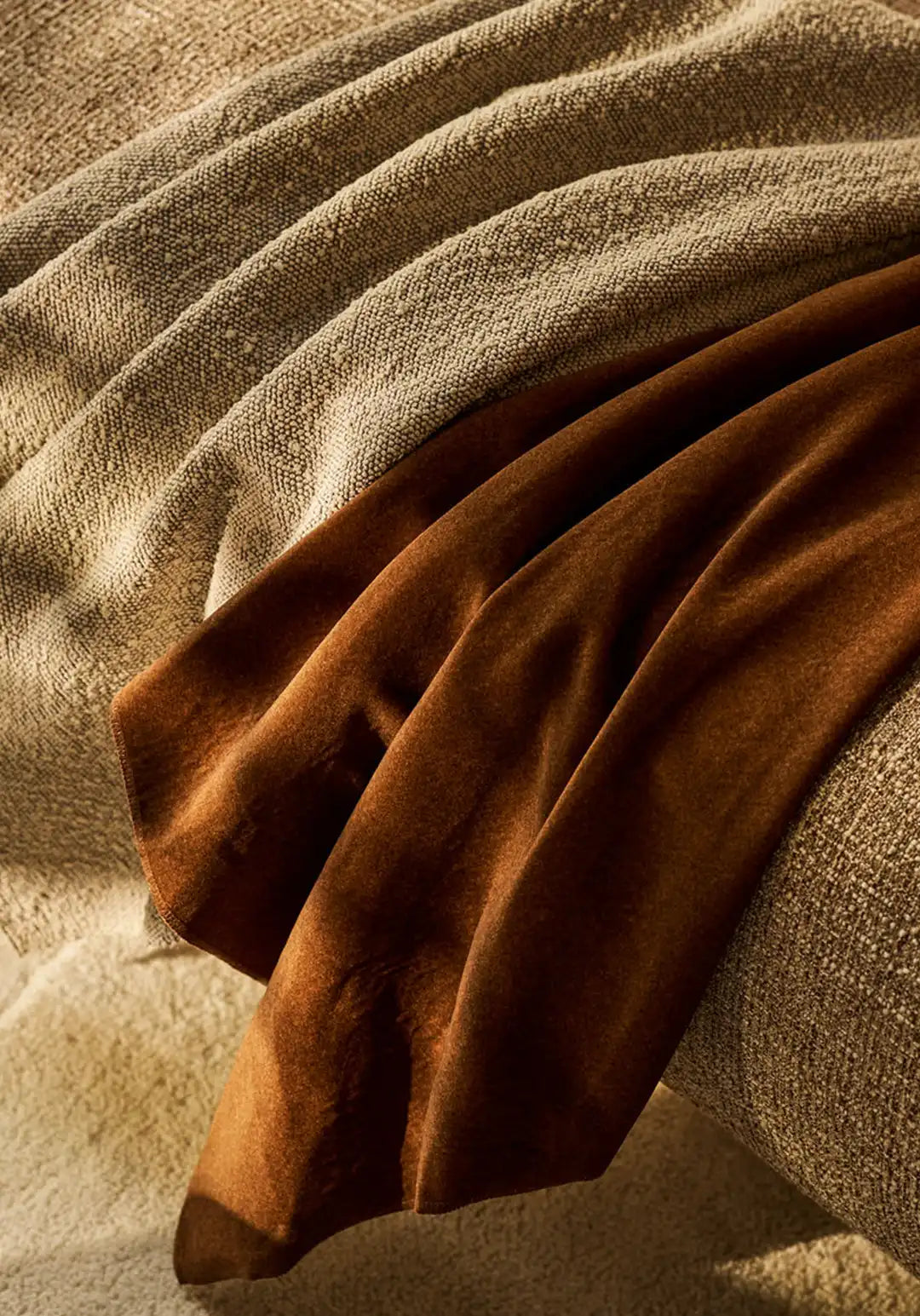
In boucle, the effect is amplified. The looped, textural fabric suits the softness of a curved silhouette perfectly - warm, tactile, and impossible to walk past without wanting to sit down. Earthy tones (caramel, warm sand, deep olive) work brilliantly, as do richer jewel shades for a more maximalist approach.

Pure 70s Revival that adapts to your lifestyle - of course, we’re talking about the modular sofa - more of us are reaping the benefits of a curved sofa at the heart of the home.
Curves in Tables - Saying No To Sharp Corners...

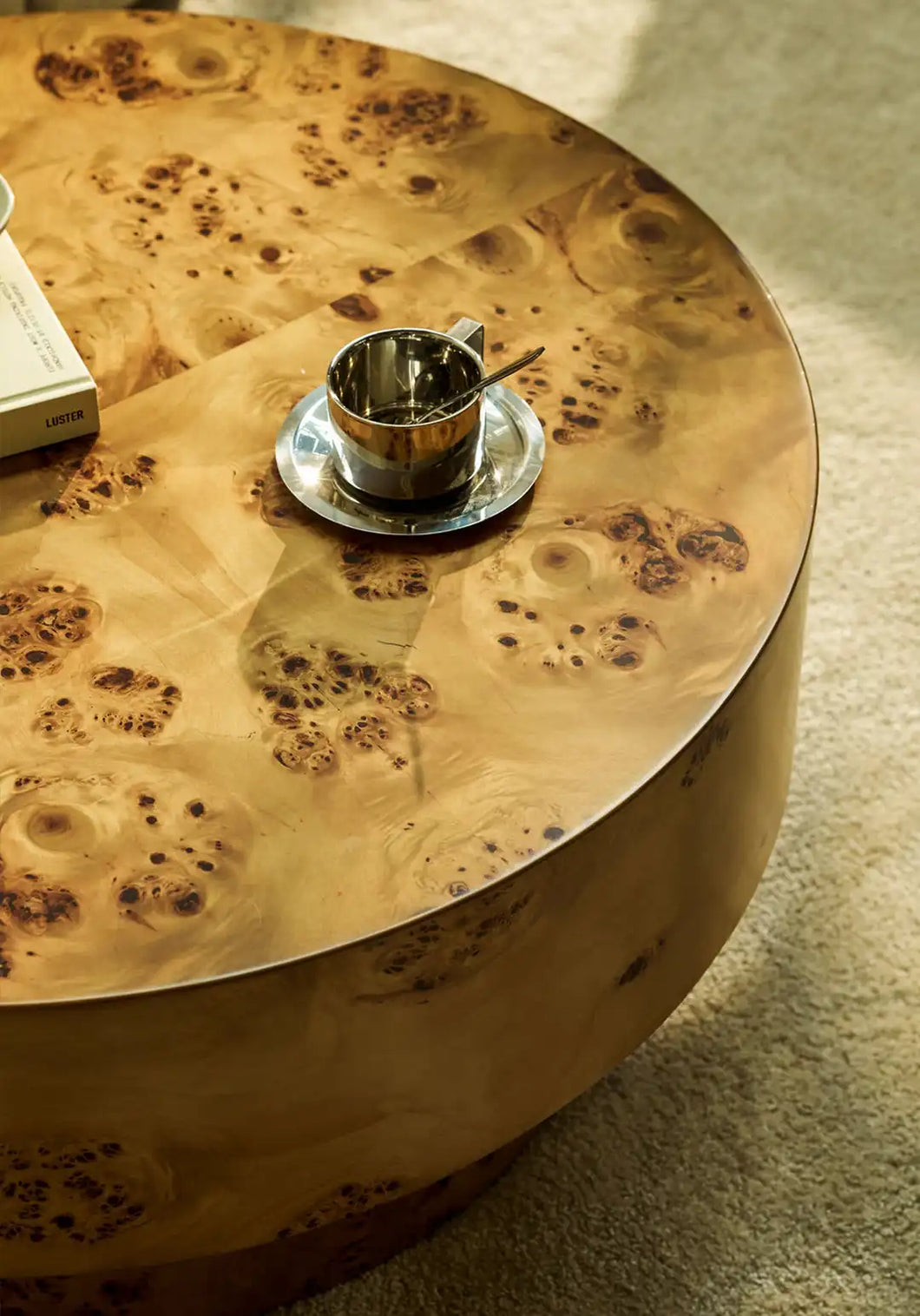
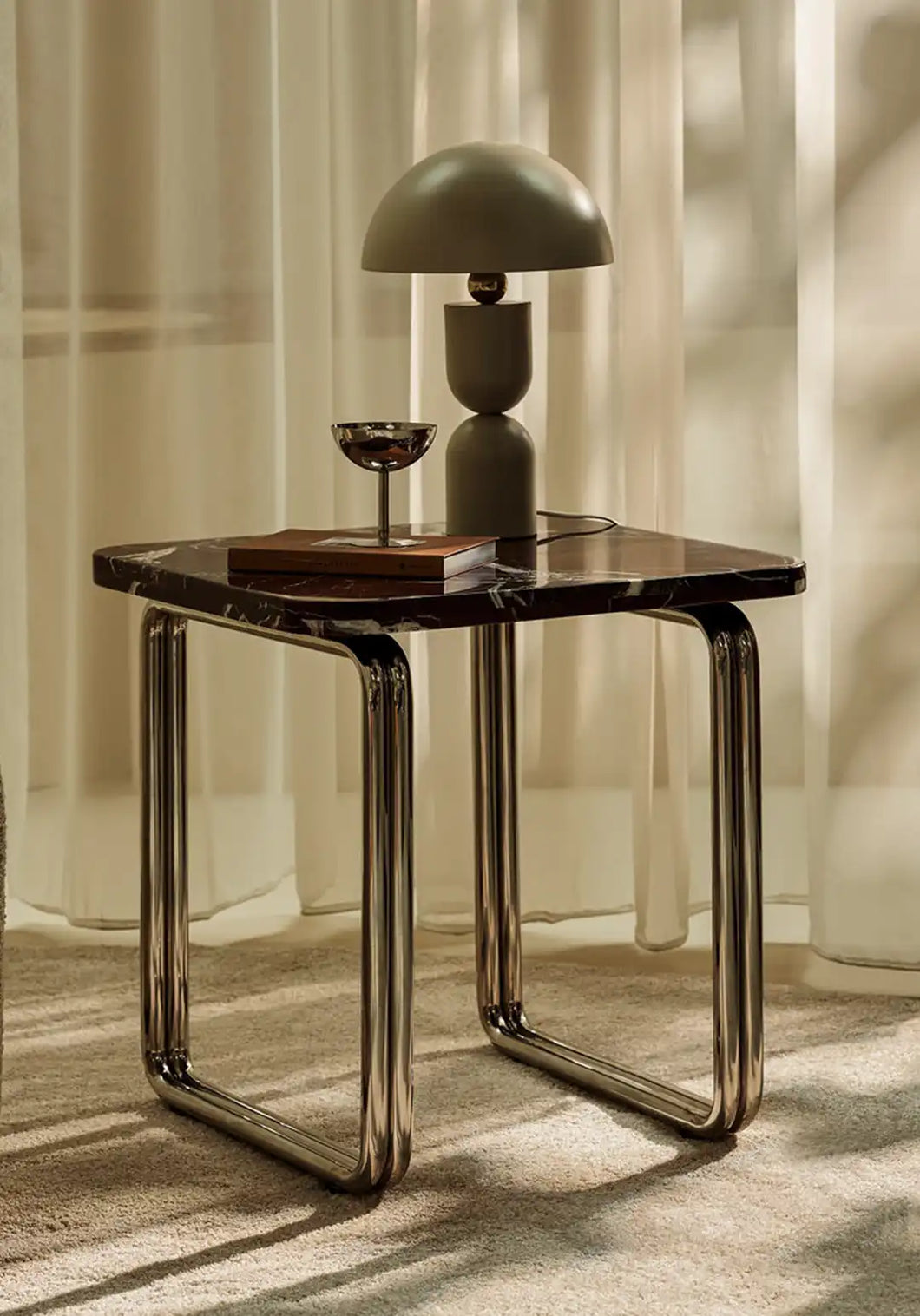
The curved moment extends well beyond seating. Round and oval tables have no hierarchy - everyone equally placed, and perfect for entertaining. Curved tables also can make smaller spaces seem bigger - a well-known tactic in the interior design world. 

They have always had a sociability to them; however, the current direction takes this further with sculptural bases, organic stone tops, and silhouettes that feel more like art than furniture.
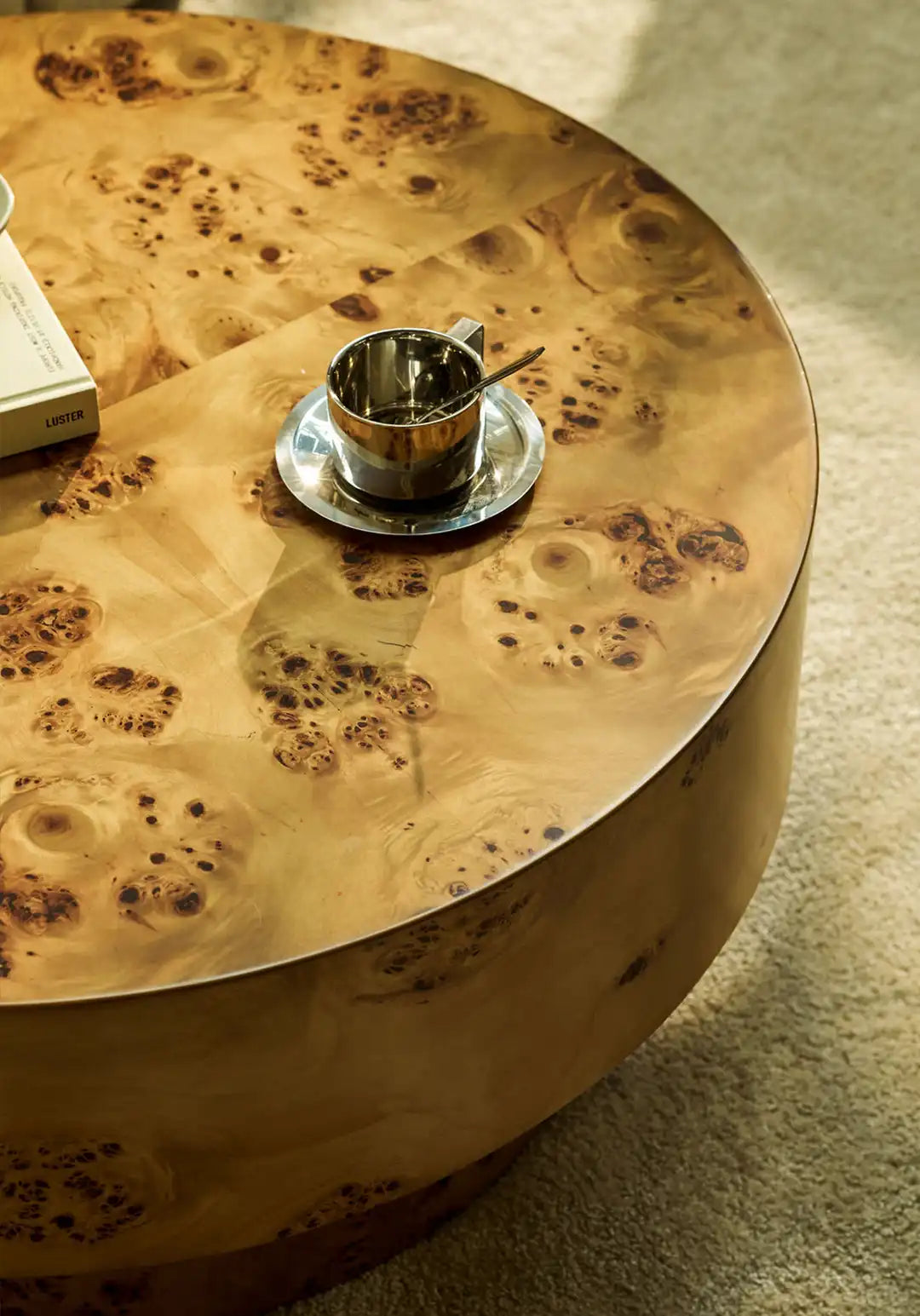
For coffee tables, the shift is towards low, generous forms in travertine, marble, or high gloss finishes. These pieces do double duty: they soften a room visually while providing a tactile, material-rich focal point at the centre of the space.
The Retro References Worth Knowing...

The curved furniture conversation has deep roots. The iconic kidney-shaped coffee table of the 1950s. The bubble chairs and tulip bases of the 60s. The low, enveloping modular sofas of the 70s. These pieces weren't just stylish - they were genuinely radical in their rejection of the straight line. Today's curved furniture carries that same quiet confidence.

Curves in Lighting + Home Decor

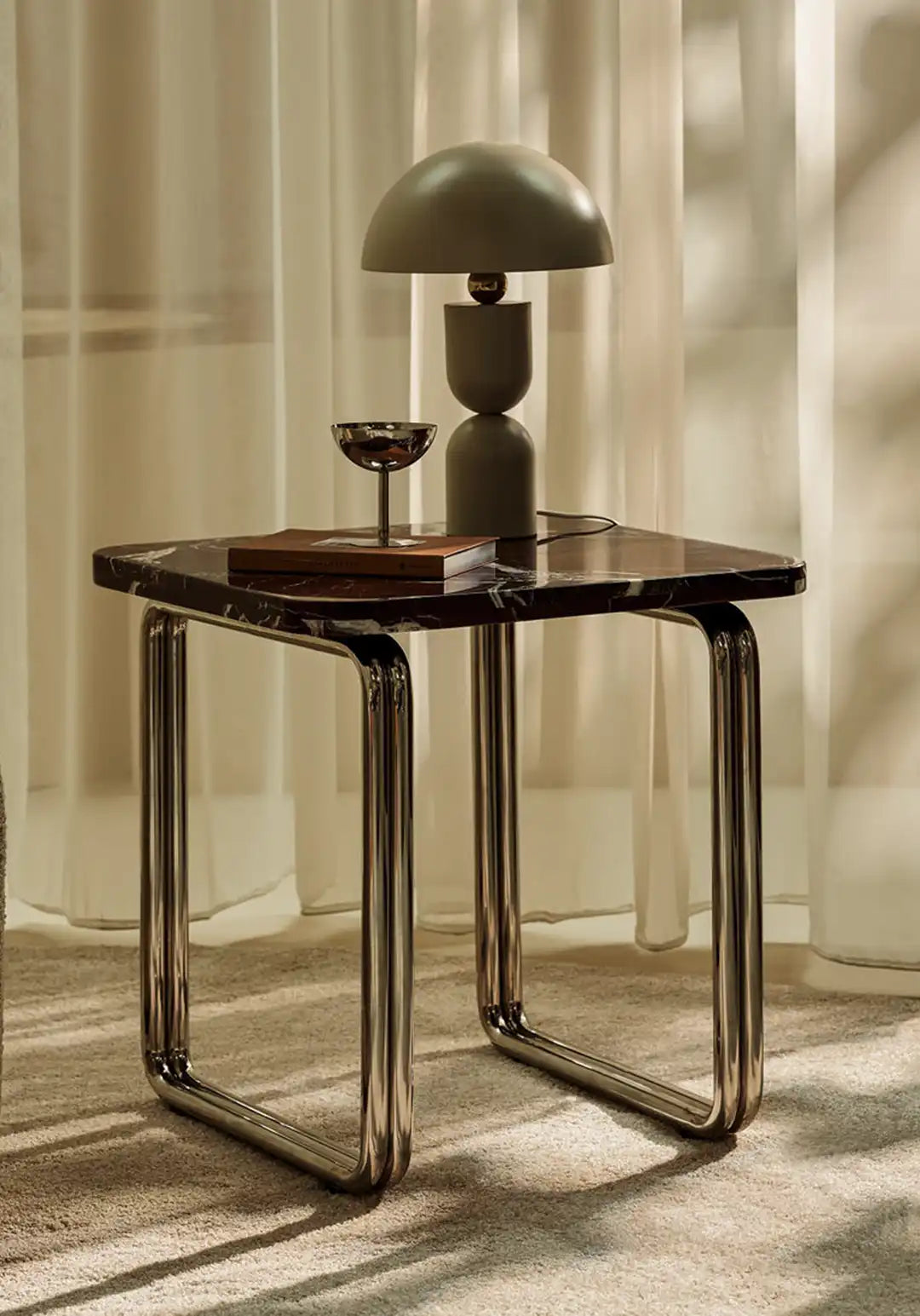
Are we cheating by introducing a straight line? Let’s see if you agree - it’s the semicircle. It’s having its own moment, whether it’s domed-shaped lamp shades or pill-shaped floor mirrors.

A simple way to add curves in small yet impactful ways, we’re getting home accessories inspo from swooping floor lamps that bring architectural drama without the commitment, and arched mirrors that add a sculptural quality to hallways and living rooms.

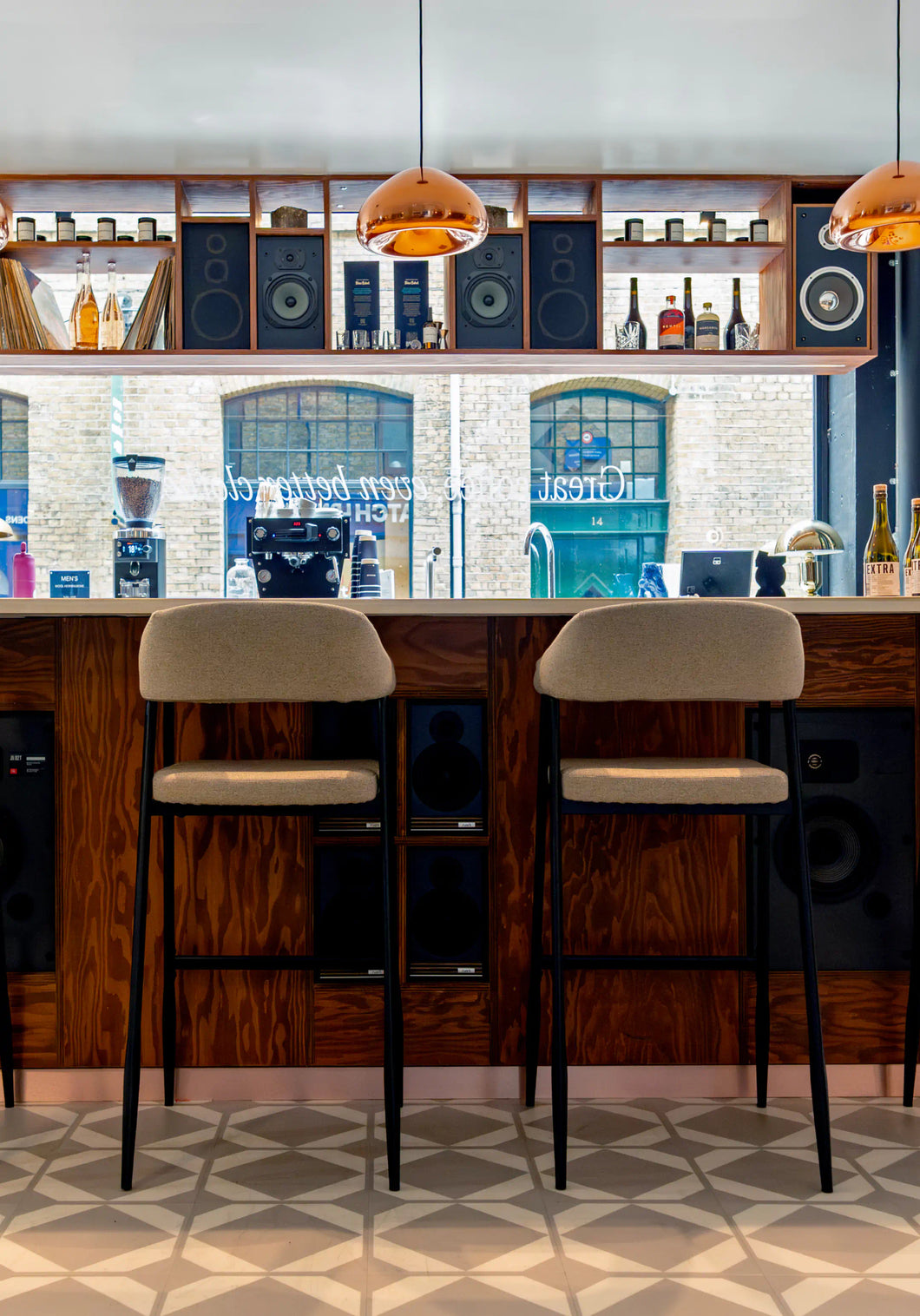
Lastly, dome pendant lights over a dining table reinforce the curved language from above. Each of these is a low-commitment, high-impact way to bring soft shapes into a space without starting from scratch.

Easy Ways to Adopt the Trend

  • Start with one hero piece - a curved sofa or round coffee table is enough to shift the energy of a whole room.
  • Mix with angular elements for contrast - a curved sofa alongside a rectangular shelving unit creates intentional tension.
  • Extend the curve into accessories - pill-shaped mirrors, arched floor lamps, and semicircular wall lights all reinforce the soft shape language without requiring new furniture.
  • Choose boucle, velvet, or textured fabrics - these materials are the natural partners of curved forms and amplify the warmth of the silhouette.

The Final Takeaway...

Curved furniture isn't going anywhere. As interiors continue to move towards warmth, comfort, and emotional resonance, the soft shape will only become more central - not as a trend to catch, but as a principle to build around.

Need even more inspiration?